Ishan Ayurvedic Hospital
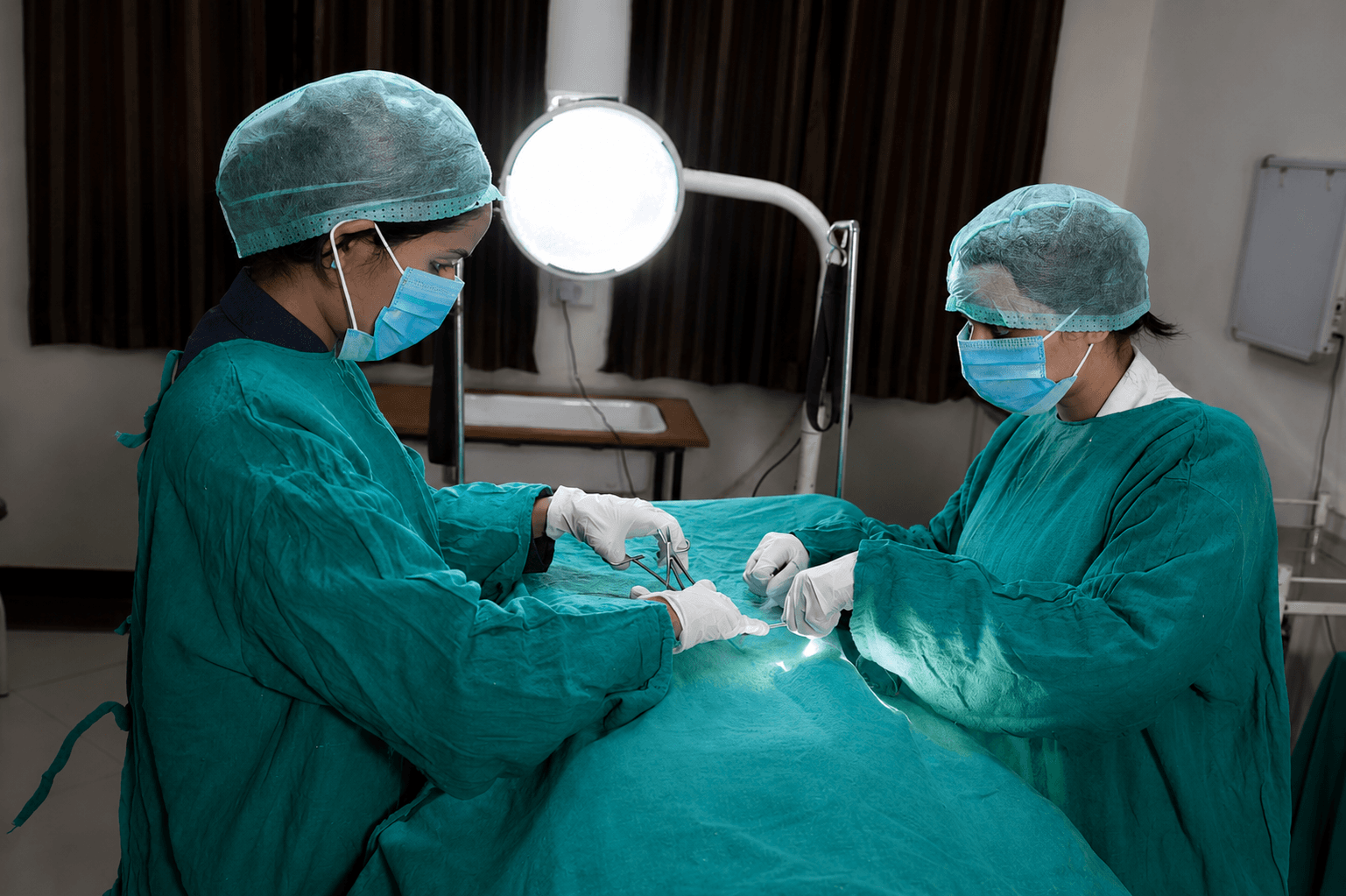
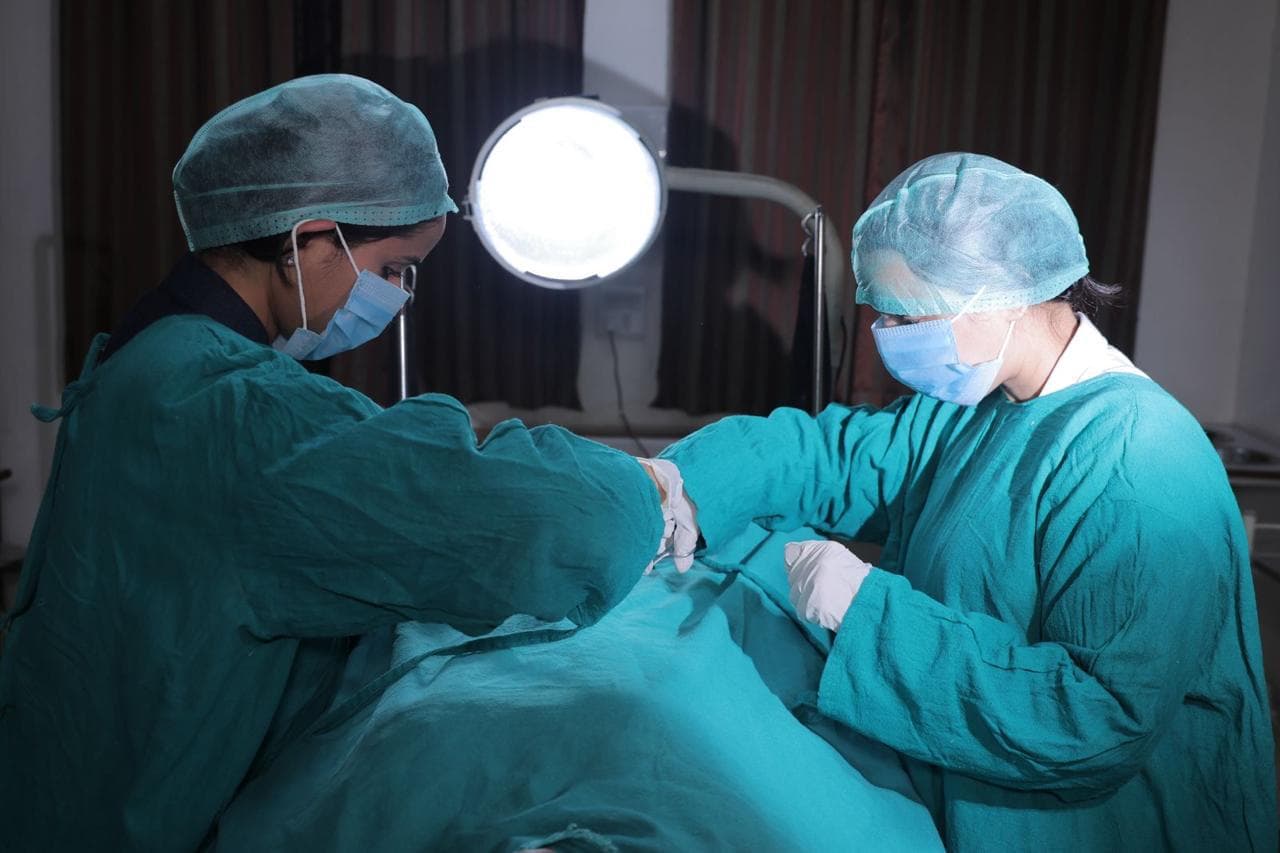
Sterile Ayurvedic operation theatre at Ishan Ayurvedic Hospital, set up for a Kshar Sutra procedure.
Ayurvedic Operation Theatre

Surgery, in its gentler form.

Three dedicated theatres — Shalya, Gynae & Labour Room, and ENT — where classical procedures like Kshar Sutra meet the sterile standards of a modern operation theatre.

  • 3Dedicated operation theatres
  • 17Procedures detailed on this page
  • 100Beds, with inpatient surgical care
  • 0Procedures without a written follow-up plan
Our theatres

Three theatres, one surgical standard

Each theatre is purpose-built for its specialty, but all three run on the same sterile protocol and physician-led supervision.

  1. OT 1Surgery & Para-Surgical

    Shalya OT

    Where Kshar Sutra, Kshar Karma, Agnikarma and minor surgical procedures are performed under sterile, monitored conditions.

    • Fistula, fissure and piles procedures
    • Kshar Sutra ligation
    • Minor excisions and cauterisation
    • Pre- and post-op monitoring beds
  2. OT 2Obstetrics & Gynaecology

    Gynae OT & Labour Room

    A dedicated theatre and adjoining labour room for delivery, antenatal and gynaecological procedures, combining Ayurvedic care with standard obstetric monitoring.

    • Normal delivery and labour monitoring
    • Uttar Basti and local therapies
    • Antenatal and postnatal care
    • Private recovery rooms
  3. OT 3Ear, Nose & Throat

    ENT OT

    For nasal, ear and throat procedures that combine Shalakya Tantra techniques with modern ENT instrumentation.

    • Nasal Kshar Karma
    • Ear and throat minor procedures
    • Pratimarsh Nasya
    • Pre-procedure ENT assessment
The procedures

All seventeen, theatre by theatre

Every procedure below is prescribed after examination, not picked from a menu. Use the index to jump to any one of them.

Shalya OT

Surgery & para-surgical procedures

Kshar Sutra is the centrepiece of this theatre — a thread-based technique for fistula that avoids the sphincter damage risked by conventional surgery. Alongside it: fissure, piles, and a range of minor surgical procedures.

Medicated Thread Ligation

Kshar Sutra Chikitsa

A medicated thread is passed through a fistula tract and tightened in stages until the tract closes on its own.
  • Kshar Sutra thread being coated in herbal alkaline paste.

    Kshar Sutra preparation and coating

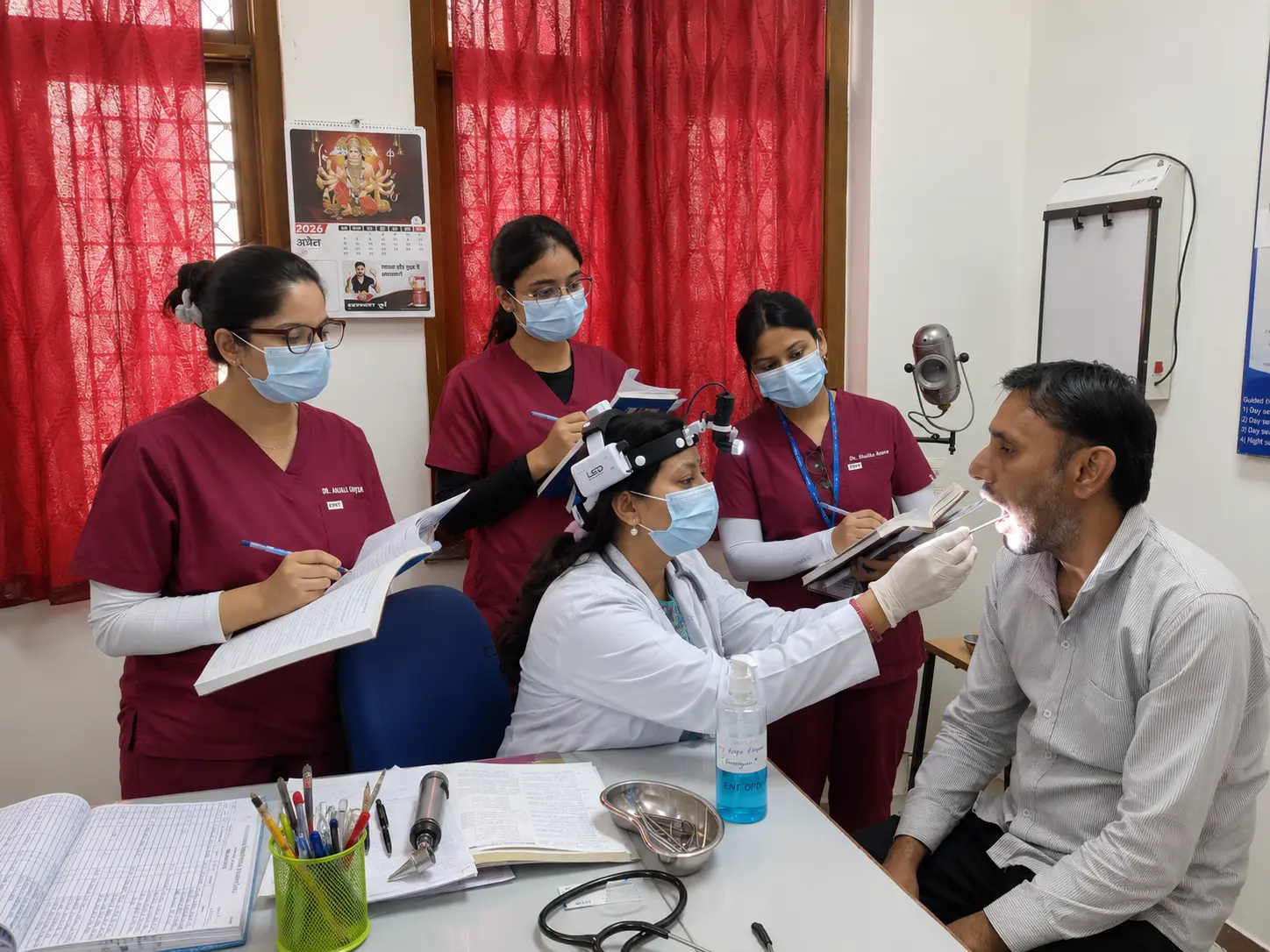
  • Nasagata Kshar Karma para-surgical procedure at Ishan Hospital.

    Nasagata Kshar Karma procedure

  • Kshar Karma therapy setup in Shalya OT.

    Kshar Karma OT setup

What happens
  • A specially prepared thread, coated repeatedly in herbal alkaline pastes, is ligated through the fistula tract.
  • It is changed and re-tied every 7–10 days, tightening a little further each time.
  • The tract closes gradually from the inside out in approximately 4–8 sittings, without a large surgical cut.
How it helps
  • The thread's coating has a mild cutting and healing action, so it heals the tract as it slowly cuts through it.
  • Because the closure happens gradually, the surrounding sphincter muscle is not cut all at once — which is why control of the bowel is preserved.
  • The wound stays open and draining throughout, so infection has nowhere to collect.
  • This is one of the most researched Ayurvedic procedures, published and compared against conventional fistula surgery in Indian medical literature.
Setting
Shalya OT, day-care
Sittings
≈ 4–8, every 7–10 days
Anaesthesia
Local / spinal
Recovery
Recovery Time depends on length of Track and Type of finds.
Indicated for
  • Fistula-in-ano (all types)
  • Recurrent fistula after prior surgery
  • Pilonidal sinus
  • Non-healing anal sinus
Fistula-in-Ano

Bhagandara

A tract that forms between the inside of the anal canal or rectum and the skin outside — usually after an abscess.

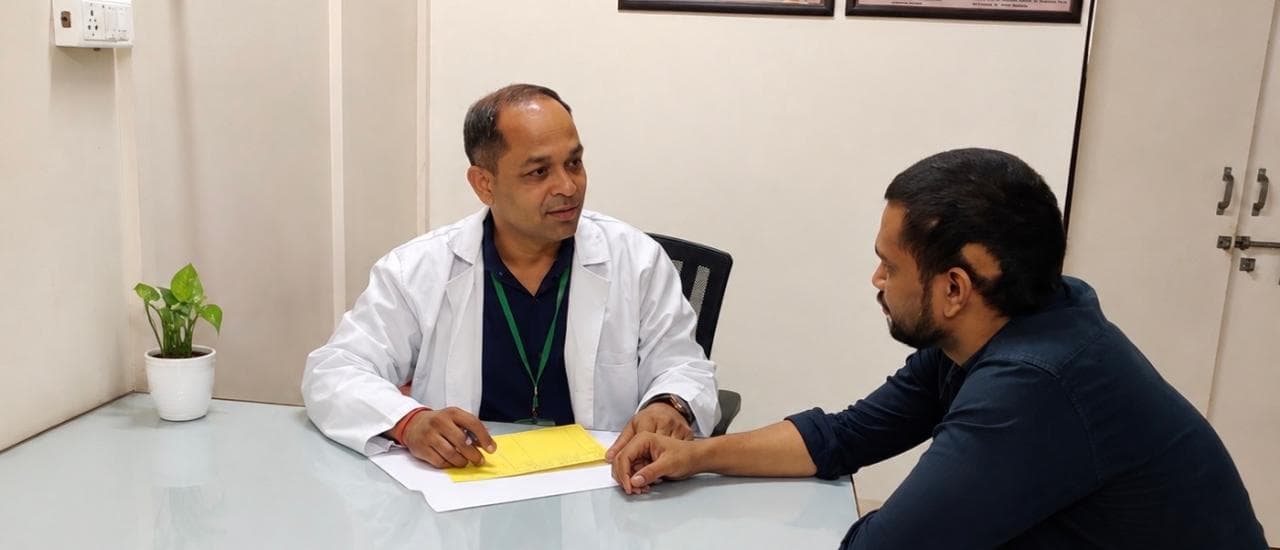
  • Surgeon examining a patient before a fistula procedure.

    Pre-procedure assessment

What happens
  • Assessment includes a physical examination and, where needed, imaging to map the tract before treatment.
  • Kshar Sutra is the primary treatment, chosen for tracts of any complexity, including those that cross the sphincter.
  • Complex or branching tracts may need a combination approach, decided case by case.
How it helps
  • Kshar Sutra treats the tract without cutting through the full thickness of the sphincter in one sitting.
  • This is the single biggest reason it is preferred over conventional fistulotomy for tracts near or through the sphincter — the risk of losing bowel control is negligible.
  • The open, draining wound heals from the base upward, so recurrence rates are low when the full course is completed.
Setting
Shalya OT
Diagnosis
Exam ± MRI fistulogram
Course
≈ 4–8 sittings
Follow-up
Weekly
Indicated for
  • Simple and complex fistula-in-ano
  • Recurrent fistula
  • High trans-sphincteric tracts
  • Post-abscess tunnelling
Fissure-in-Ano

Parikartika

A small tear in the anal canal that causes sharp pain and bleeding per rectal, especially during bowel movements.

  • Medicated sitz bath prepared for fissure care.

    Sitz bath preparation

What happens
  • Acute fissures are managed with medicated sitz baths, local applications and diet correction first.
  • Chronic or non-healing fissures that don't respond are treated with a minor para-surgical procedure in OT.
How it helps
  • Warm medicated sitz baths relax the tightened muscle ring that keeps re-tearing the fissure.
  • Local applications reduce inflammation and heal the tear to close naturally.
  • Where the sphincter has gone into chronic spasm, a controlled procedure relieves that spasm so the tissue can finally heal.
Setting
OPD care, OT if chronic
Course
2–4 weeks conservative
Procedure
Single sitting, if needed
Recovery
Days, not weeks
Indicated for
  • Acute fissure
  • Chronic non-healing fissure
  • Fissure with associated skin tag
  • Recurrent fissure after delivery
Piles & Haemorrhoids

Arsha

Swollen tortuous veins in the anal canal, managed conservatively where possible and with Kshar Sutra where surgery is needed.

  • Kshar Karma paste being applied to a pile mass.

    Kshar Karma application

What happens
  • Early-grade piles are managed with diet, local applications and Kshar Karma — chemical cauterisation of the pile mass.
  • Higher-grade or bleeding piles are managed with Kshar Sutra ligation of the pile base in OT.
  • A tailored diet and bowel-routine plan accompanies every case to prevent recurrence.
How it helps
  • Kshar Karma shrinks the pile mass directly at its base, without a full surgical excision.
  • Ligation cuts off the blood supply to the pile mass gradually, so it reduces and falls away on its own.
  • Because the procedure avoids a large open wound, post-procedure pain and healing time are both shorter than conventional haemorrhoidectomy.
Setting
OPD or Shalya OT
Sittings
1
Anaesthesia
local / spinal
Recovery
2-5 days
Indicated for
  • Grade I–II piles (Kshar Karma)
  • Grade III–IV piles (Kshar Sutra)
  • Bleeding piles
  • Prolapsing piles
Alkaline Cauterisation

Kshar Karma

A herbal alkaline paste applied precisely to abnormal tissue to shrink or remove it without a surgical cut.

  • Herbal Kshar paste being prepared in the hospital pharmacy.

    Kshar paste preparation

What happens
  • A caustic herbal paste, prepared and graded for strength, is applied directly to the target tissue only.
  • Surrounding healthy tissue is protected throughout the application.
  • Used for piles, warts, corns, and select skin growths.
How it helps
  • The paste's alkaline action breaks down abnormal tissue at the surface without cutting.
  • Because there is no open surgical wound, the risk of infection and the recovery time are both lower.
  • It stimulates the area to heal with fresh, healthy tissue in its place.
Setting
OPD or Shalya OT
Duration
10–20 minutes
Anaesthesia
Usually not needed
Recovery
2–4 days
Indicated for
  • Piles (early to moderate grade)
  • Warts and corns
  • Anal skin tags
  • Select benign skin growths
Thermal Cauterisation

Agnikarma

Controlled, precise heat applied to a single point to relieve deep-seated pain quickly.

  • Agnikarma instruments heated and arranged for a session.

    Agnikarma instrument set

What happens
  • A heated metal probe is touched briefly and precisely to the exact point of pain.
  • The instrument, temperature and contact time are all standardised and controlled by the physician.
  • Sessions are short — the actual contact lasts only a fraction of a second per point.
How it helps
  • Controlled heat at a single point interrupts the pain signal travelling from that spot.
  • It increases local blood flow, which brings the body's own repair response to a stubborn, poorly-healing area.
  • It is especially effective on pain that sits close to bone or a joint, where oral medicine alone often struggles to reach.
Setting
Shalya OT or OPD
Duration
5–10 minutes
Sittings
1–3, weekly
Recovery
Same day
Indicated for
  • Heel pain and plantar fasciitis
  • Tennis elbow
  • Chronic joint pain points
  • Certain fistula and sinus openings
Minor Surgical Procedures

Shalya Karma

Day-care excisions and drainage procedures for cysts, lipomas, abscesses and similar conditions.

  • Shalya operation theatre prepared for a minor procedure.

    Shalya OT setup

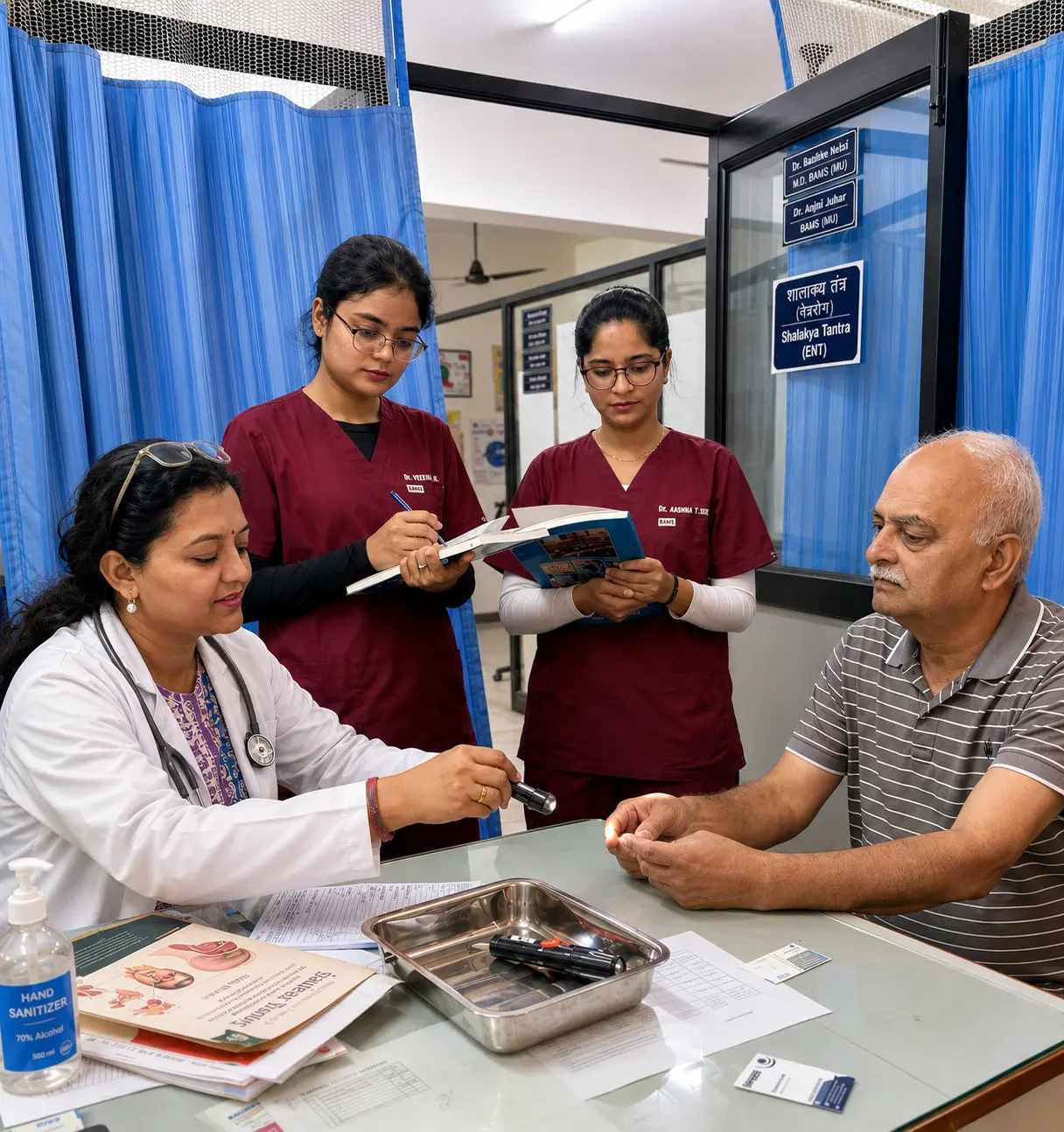
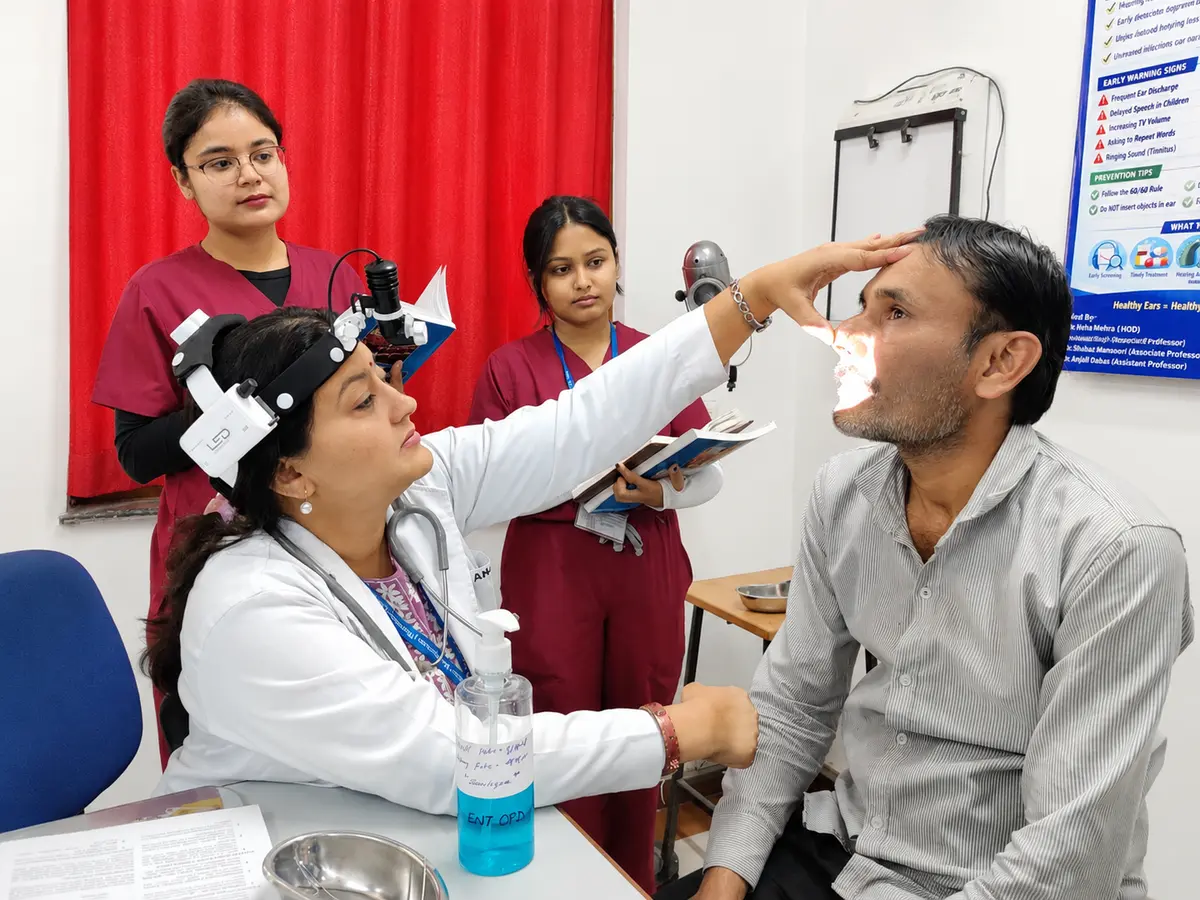
  • ENT Shalakya & Shalya clinical procedure in progress.

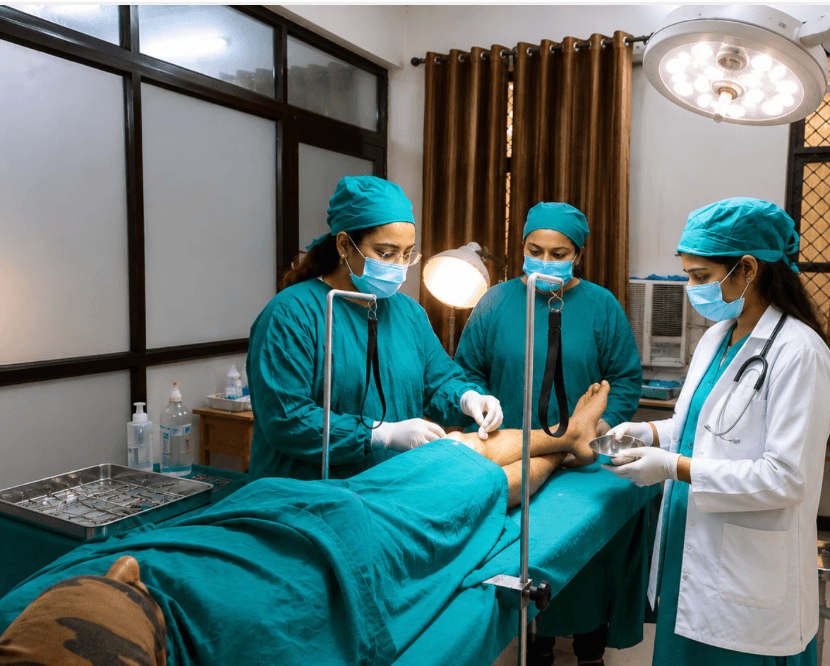
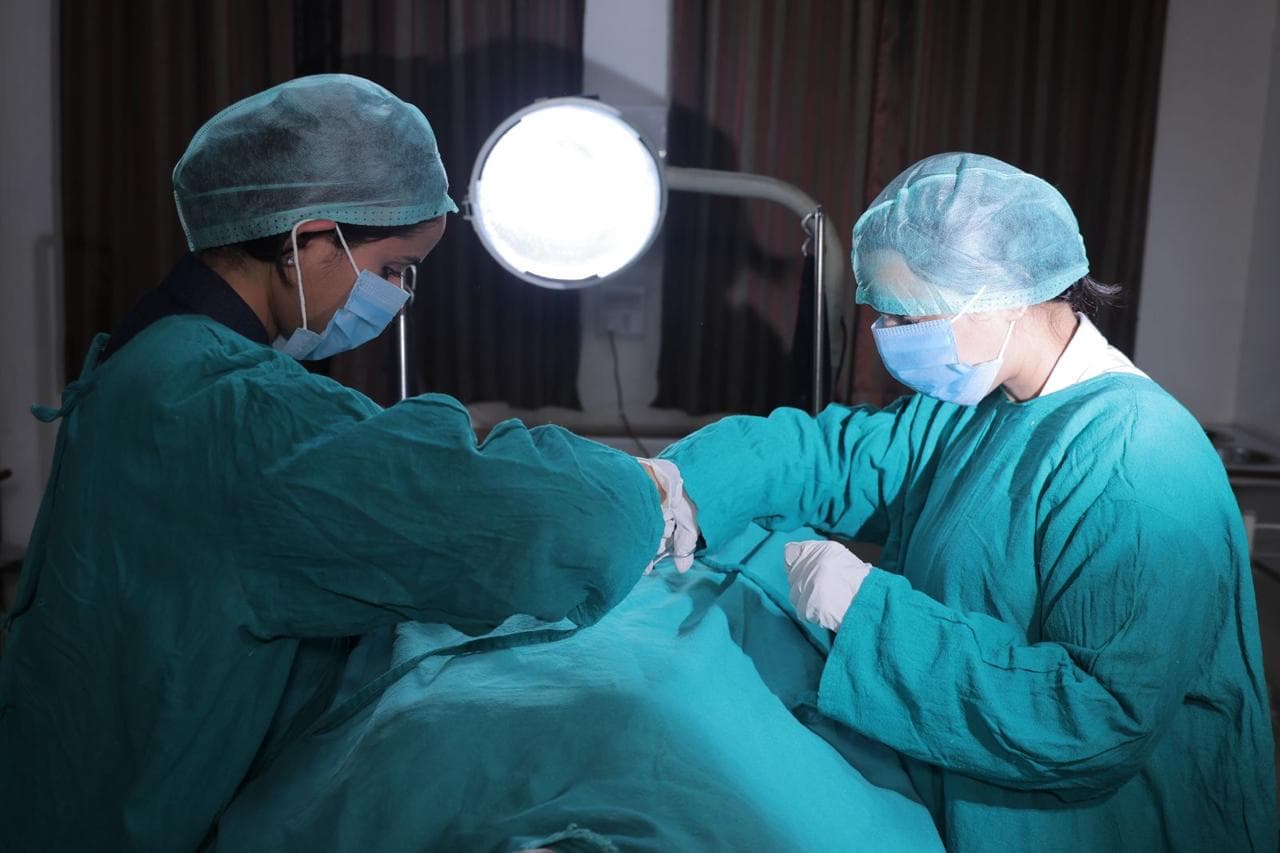
    Sterile procedure in progress

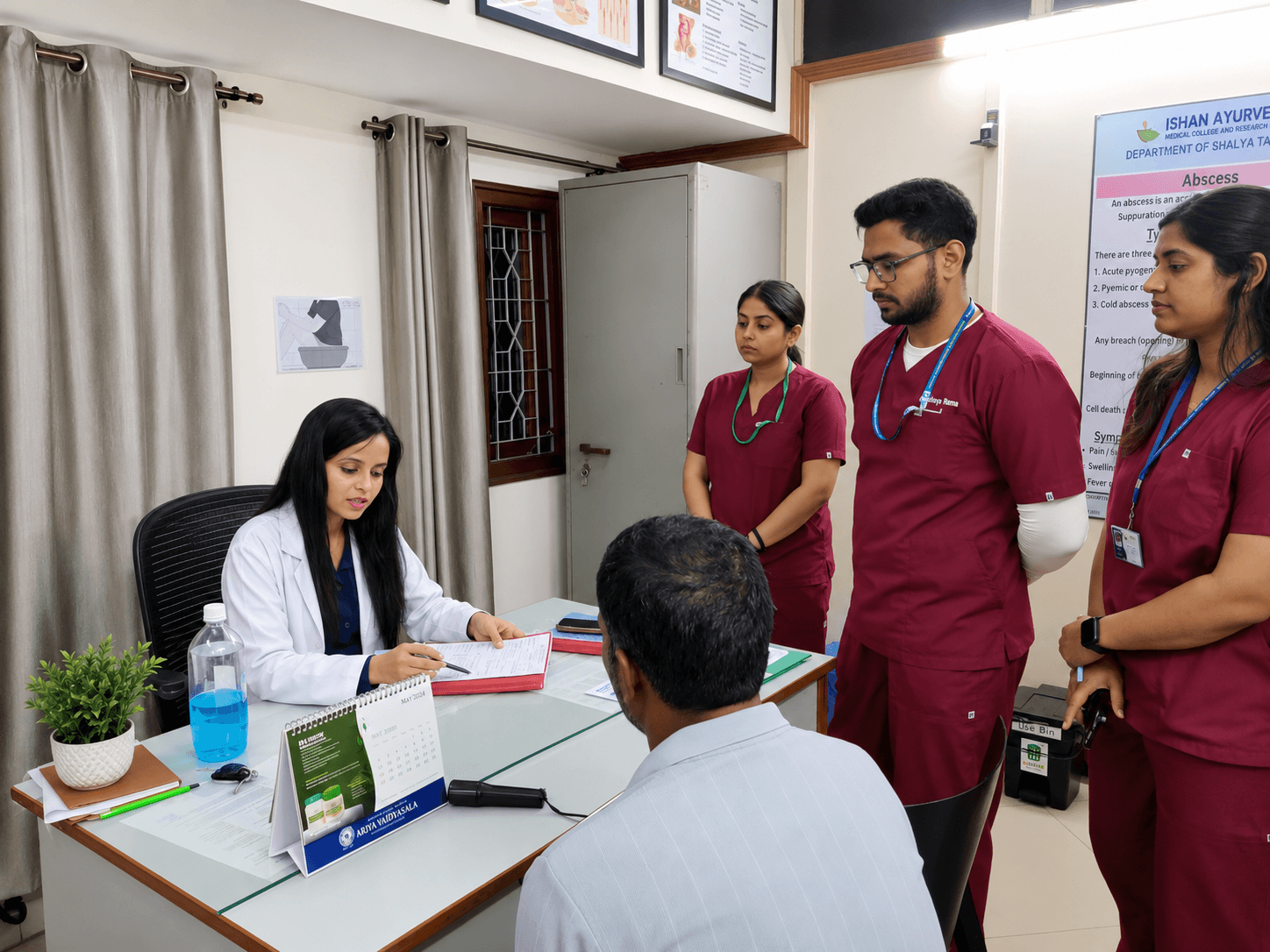
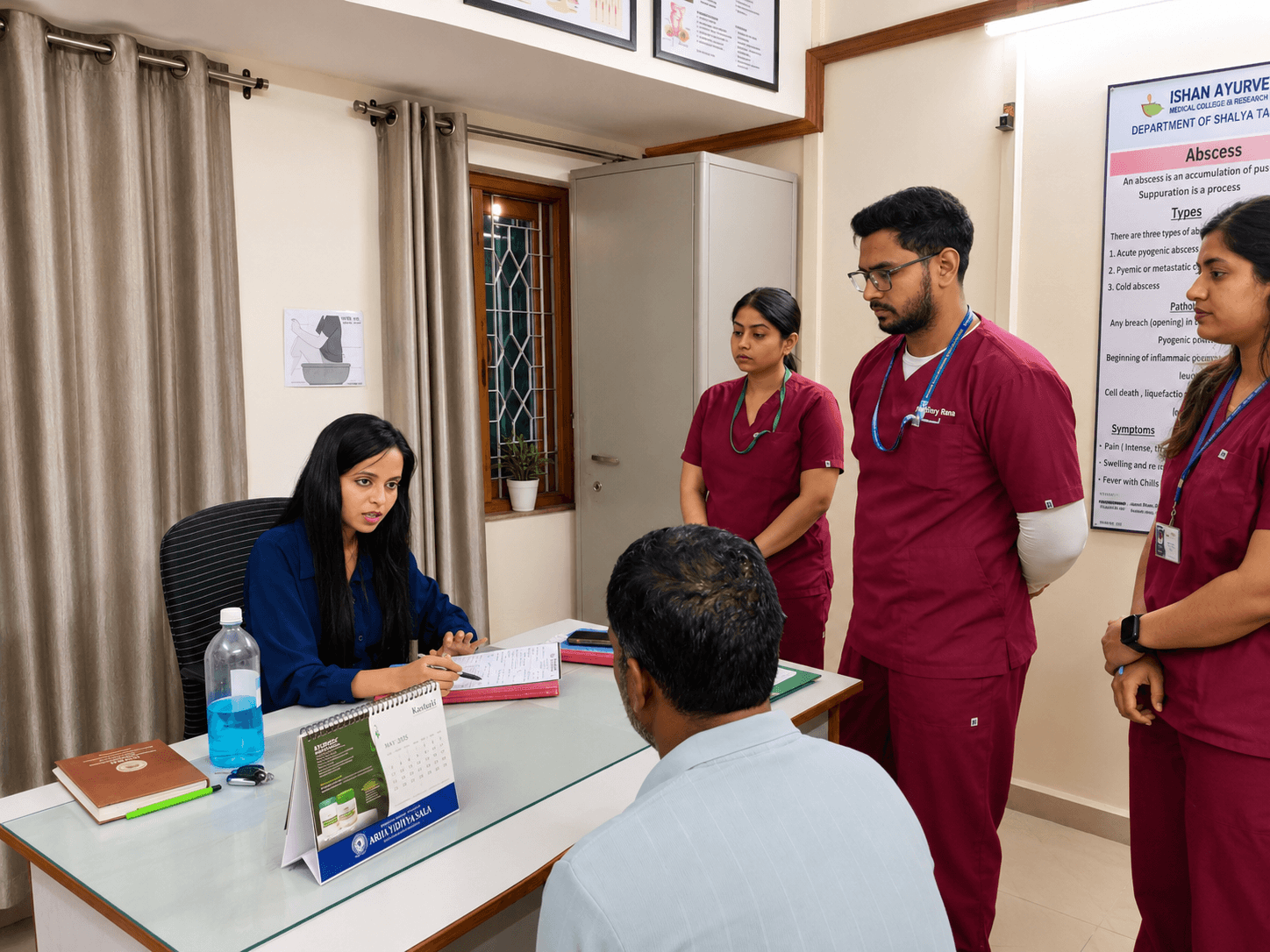
  • Ayurvedic surgical consultation and procedure room.

    Shalya procedure room

What happens
  • Covers excision of sebaceous cysts and lipomas, incision and drainage of abscesses, and similar day-care surgery.
  • Performed under local anaesthesia in Shalya OT with the same sterile protocol as any surgical procedure.
  • Combined with Ayurvedic wound-care applications to support faster, cleaner healing.
How it helps
  • Standard surgical technique is used for the procedure itself, so outcomes are predictable and well understood.
  • Herbal wound-healing applications afterwards are chosen to reduce scarring and speed tissue repair.
  • Because it is day-care, you go home the same day rather than staying admitted.
Setting
Shalya OT
Anaesthesia
Local
Duration
20–45 minutes
Recovery
Same-day discharge
Indicated for
  • Sebaceous cysts
  • Lipomas
  • Abscess drainage
  • Ingrown toenail
  • Minor benign lumps
Gynae OT & Labour Room

Obstetric & gynaecological procedures

From Yoni Pichu and Yoni Prakshalan for local conditions, to Uttar Basti for infertility, to a fully staffed labour room — obstetric and gynaecological care under one roof.

Medicated Vaginal Tampon

Yoni Pichu

A soft tampon soaked in warm medicated oil or ghee, placed locally to treat vaginal and cervical conditions.

    What happens
    • A sterile tampon is soaked in a warm herbal oil or ghee chosen for the specific condition.
    • It is placed in the vaginal canal and left in position for 40–45 minutes.
    • Usually given as a course over several days, alongside internal medication.
    How it helps
    • Local application delivers medicine directly to the tissue, at a far higher concentration than an oral dose alone could reach.
    • It reduces local dryness, irritation and inflammation of the vaginal and cervical tissue.
    • It supports healing after minor procedures and eases pain from local infection or irritation.
    Setting
    Procedure room
    Duration
    40–45 minutes
    Course
    5–7 days
    Feel
    Warm, soothing
    Indicated for
    • Vaginal dryness and atrophy
    • Cervical erosion
    • Vaginal discharge
    • Post-procedure healing support
    • Infertility support
    Medicated Vaginal Wash

    Yoni Prakshalan

    A gentle herbal decoction wash used to cleanse and treat the vaginal canal.

      What happens
      • A warm herbal decoction, prepared fresh, is used to irrigate and cleanse the vaginal canal.
      • Performed under hygienic, controlled conditions — never a generic over-the-counter wash.
      • Often given before Yoni Pichu or Uttar Basti, and independently for infection or discharge.
      How it helps
      • The wash physically clears discharge, debris and irritants from the vaginal canal.
      • Herbal actives in the decoction have a mild antimicrobial and anti-inflammatory action.
      • It restores comfort and normal local pH balance faster than rest alone.
      Setting
      Procedure room
      Duration
      10–15 minutes
      Course
      As advised
      Feel
      Clean, immediate relief
      Indicated for
      • Vaginal discharge and infection
      • Itching and irritation
      • Post-delivery cleansing
      • Pre-procedure preparation
      • Recurrent vaginitis
      Intrauterine Medicated Therapy

      Uttar Basti

      Medicated oil or decoction introduced into the uterus through the cervix, mainly for infertility and menstrual disorders.

        What happens
        • A measured dose of medicated oil or decoction is introduced through the cervical canal into the uterine cavity.
        • Timed precisely to the menstrual cycle — usually days 5–8, or as clinically indicated.
        • Performed under sterile labour room conditions with the same precautions as any intrauterine procedure.
        How it helps
        • Direct delivery reaches the uterine lining more effectively than oral medicine for these specific conditions.
        • It improves the receptivity and health of the uterine lining, which is central to conception and implantation.
        • It reduces inflammation associated with blocked tubes and chronic pelvic conditions.
        Setting
        Gynae OT
        Timing
        Cycle day 5–8
        Sittings
        3–6 cycles
        Recovery
        Rest same day
        Indicated for
        • Unexplained infertility
        • Blocked or damaged fallopian tubes
        • Irregular or painful periods
        • PCOS-related infertility
        • Recurrent pregnancy loss support
        • Fibroid uterus
        Labour & Normal Delivery

        Prasav

        A dedicated labour room for monitored, supported normal delivery, backed by the adjoining Gynae OT.

          What happens
          • Labour is monitored continuously through dedicated staff and standard obstetric equipment.
          • Ayurvedic supportive measures — warm oil massage, comfortable positioning, herbal support — are used alongside standard monitoring.
          • The adjoining Gynae OT is on standby for any delivery that needs surgical support.
          How it helps
          • Continuous monitoring means any complication is caught early, not after the fact.
          • Comfort-focused support during labour — movement, positioning, warm compresses — is known to ease the process and shorten it.
          • Having OT support in the same wing means no transfer delay if a delivery needs escalation.
          Setting
          Labour room, OT on standby
          Staffing
          Round the clock
          Support
          Ayurvedic + standard obstetric care
          Recovery
          Private postnatal rooms
          Indicated for
          • Normal, low-risk pregnancy
          • Labour support and monitoring
          • Post-delivery immediate care
          • Referral-in deliveries needing supervised care
          Antenatal Care

          Garbhini Paricharya

          Month-wise Ayurvedic antenatal guidance on diet, routine and gentle therapies through pregnancy.

            What happens
            • Regular antenatal check-ups combining standard obstetric monitoring with Ayurvedic guidance.
            • A month-wise diet and daily-routine plan, adjusted as the pregnancy progresses.
            • Gentle, pregnancy-safe therapies for common complaints like back pain, swelling and nausea.
            How it helps
            • A structured diet plan supports the specific nutritional needs of each trimester.
            • Correct daily routine reduces common pregnancy discomforts and supports better sleep.
            • Regular monitoring alongside this guidance catches any concern early, without waiting for the next scheduled scan.
            Setting
            OPD, with OT backup
            Frequency
            Monthly, more if needed
            Format
            Check-up + guidance plan
            Support
            Direct line to labour room
            Indicated for
            • Routine antenatal care
            • Pregnancy-related back pain and swelling
            • Nausea and low appetite
            • High-risk pregnancy monitoring support
            Postnatal Care

            Sutika Paricharya

            Structured post-delivery care for the mother — recovery, nutrition and gentle therapies over the first weeks.

              What happens
              • A defined care plan for the weeks after delivery, covering diet, rest and gentle body therapies.
              • Includes abdominal binding, warm oil massage and herbal support once cleared by the physician.
              • Guidance for breastfeeding support and gradual return to normal routine.
              How it helps
              • A structured post-delivery diet rebuilds strength and supports milk supply.
              • Gentle massage and binding support the abdominal muscles and uterus as they recover their tone.
              • Following a set recovery timeline reduces common postnatal complaints like back pain and fatigue.
              Setting
              Postnatal ward / OPD
              Duration
              First 6–8 weeks
              Format
              Diet + therapy plan
              Review
              Weekly check-in
              Indicated for
              • Post-delivery recovery
              • Low milk supply support
              • Postnatal back pain and weakness
              • C-section recovery support
              Minor Gynaecological Procedures

              Stri Roga Shalya

              Day-care procedures for common gynaecological conditions performed in the Gynae OT.

                What happens
                • Covers cervical erosion cauterisation, Bartholin's cyst drainage, and similar day-care gynae procedures.
                • Performed under local anaesthesia with the same sterile protocol as any OT procedure.
                • Combined with Ayurvedic local therapy for faster, more comfortable healing afterwards.
                How it helps
                • Standard technique is used for the procedure, giving predictable, well-understood outcomes.
                • Post-procedure Yoni Pichu or Prakshalan supports healing and reduces discomfort.
                • Day-care format means you go home the same day, with a clear follow-up plan.
                Setting
                Gynae OT
                Anaesthesia
                Local
                Duration
                20–40 minutes
                Recovery
                Same-day discharge
                Indicated for
                • Cervical erosion
                • Bartholin's cyst
                • Minor vaginal or cervical growths
                • Post-procedure care needs
                ENT OT

                Ear, nose & throat procedures

                A smaller, focused set of nasal and general ENT procedures, combining Shalakya Tantra technique with standard ENT instrumentation.

                Nasal Alkaline Cauterisation

                Nasagata Kshar Karma

                Kshar paste applied precisely inside the nasal passage for polyps and recurrent nasal growths.

                • ENT operation theatre prepared for a nasal procedure.

                  ENT OT preparation

                What happens
                • Alkaline paste is applied directly to the polyp or growth under direct vision.
                • Surrounding healthy nasal lining is protected throughout the procedure.
                • Performed in the ENT OT with standard nasal instrumentation.
                How it helps
                • The paste shrinks abnormal tissue at its base without a full surgical excision.
                • Healing happens with minimal scarring inside the nasal passage.
                • Recurrent growths can be treated again without repeated open surgery.
                Setting
                ENT OT
                Duration
                15–20 minutes
                Anaesthesia
                Local
                Recovery
                2–4 days
                Indicated for
                • Nasal polyps
                • Recurrent nasal growths
                Daily Preventive Nasal Oil

                Pratimarsh Nasya

                A minimal daily dose of nasal oil, used preventively rather than as a full Nasya course.

                • Measured nasal oil dose prepared for Pratimarsh Nasya.

                  Measured daily dose

                What happens
                • A small measured dose of oil is placed in each nostril, usually self-administered after training.
                • Suitable for daily long-term use, unlike a full Panchakarma Nasya course.
                • One supervised session teaches the correct position, dose and timing.
                How it helps
                • Keeps the nasal passage lubricated and less prone to irritation from dust and dry air.
                • Reduces the frequency of minor sinus flare-ups over time.
                • Because the dose is minimal, it can be continued through the year without a break.
                Setting
                OPD, then self-use
                Frequency
                Daily
                Training
                One supervised session
                Recovery
                None needed
                Indicated for
                • Prevention of recurrent sinus trouble
                • Chronic dry nasal passages
                • Seasonal allergy support
                Minor Ear, Nose & Throat Procedures

                Karna-Nasa-Kantha Shalya

                Day-care procedures for common ENT conditions, combining standard technique with Ayurvedic aftercare.

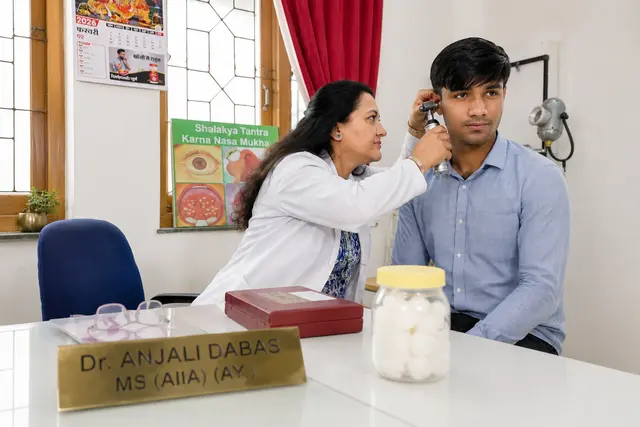
                • ENT operation theatre set up for a minor day-care procedure.

                  ENT OT setup

                What happens
                • Covers ear wax removal, minor throat and nasal procedures under local anaesthesia.
                • Ayurvedic local applications are used post-procedure to support healing.
                • Assessment happens in the ENT OPD before anything is scheduled in the theatre.
                How it helps
                • Standard ENT technique is used for the procedure itself, so outcomes are predictable.
                • Herbal aftercare reduces irritation and supports faster local healing.
                • Day-care format means you go home the same day with a clear follow-up plan.
                Setting
                ENT OT
                Anaesthesia
                Local
                Duration
                15–30 minutes
                Recovery
                Same-day discharge
                Indicated for
                • Impacted ear wax
                • Minor throat growths
                • Nasal septal concerns
                Standards

                Why this is done in an OT, not a clinic room

                Para-surgical procedures break the skin and reach tissue that infection can settle in. That is exactly why they belong in a theatre, with a physician, a monitored recovery bed and a pharmacy within reach.

                1. Sterile protocol

                  All three theatres follow NABH-mandated sterilisation and infection-control standards, the same as any accredited surgical facility.

                2. Physician-led

                  Every procedure is performed or directly supervised by a qualified BAMS/MS (Ayurveda) surgeon, never by a technician alone.

                3. Monitored throughout

                  Vitals are recorded before, during and after every procedure, with recovery beds for post-procedure observation.

                4. Clear follow-up

                  Every procedure comes with a written follow-up schedule — nothing is a one-time visit left to chance.

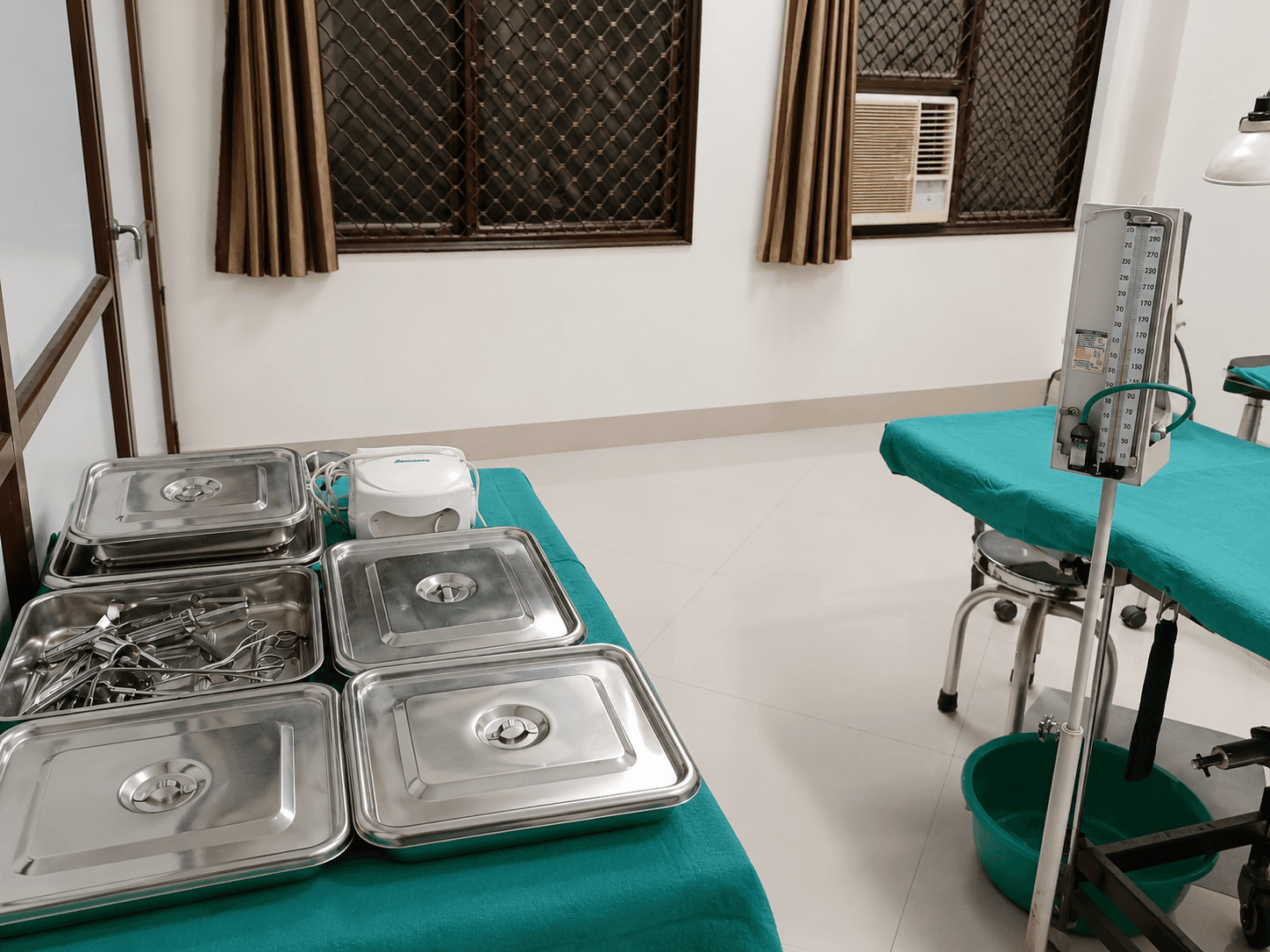
                Sterile instrument trolley and monitoring equipment inside the operation theatre.
                Before your procedure

                What to expect

                Every procedure on this page starts with an in-person assessment. What you read here is general information — your actual plan is written after examination.

                What we always do first

                • A physical examination, and imaging where the condition needs it
                • A clear explanation of the procedure, sittings needed, and recovery time
                • Relevant blood work before any OT-based procedure
                • A written follow-up schedule before you leave

                Tell us before your visit

                • Any bleeding disorder or blood-thinning medication
                • Uncontrolled diabetes or blood pressure
                • Pregnancy, if the procedure is not pregnancy-related
                • Any prior surgery at or near the same site

                Start with a surgical consultation

                Bring any prior reports or imaging. The consulting surgeon will examine you and explain exactly which procedure, if any, is right for your condition.