Ishan Ayurvedic Hospital

Mind & Stress

Calm the mind, heal the nerves, restore the self

Anxiety, depression, insomnia, and paralysis are not just conditions of the mind or brain in isolation — they are whole-body disturbances rooted in Vata imbalance, Ojas depletion, and a disconnected nervous system. Ayurveda offers the deepest, most sustained neurological and psychological healing known to medicine.

  • Nasya & Shirodhara On-Campus
  • No Habit-Forming Medicines
  • Personalised Ayurvedic Care
Available Mon – Sat · 9:00 AM – 4:00 PM
Book Appointment
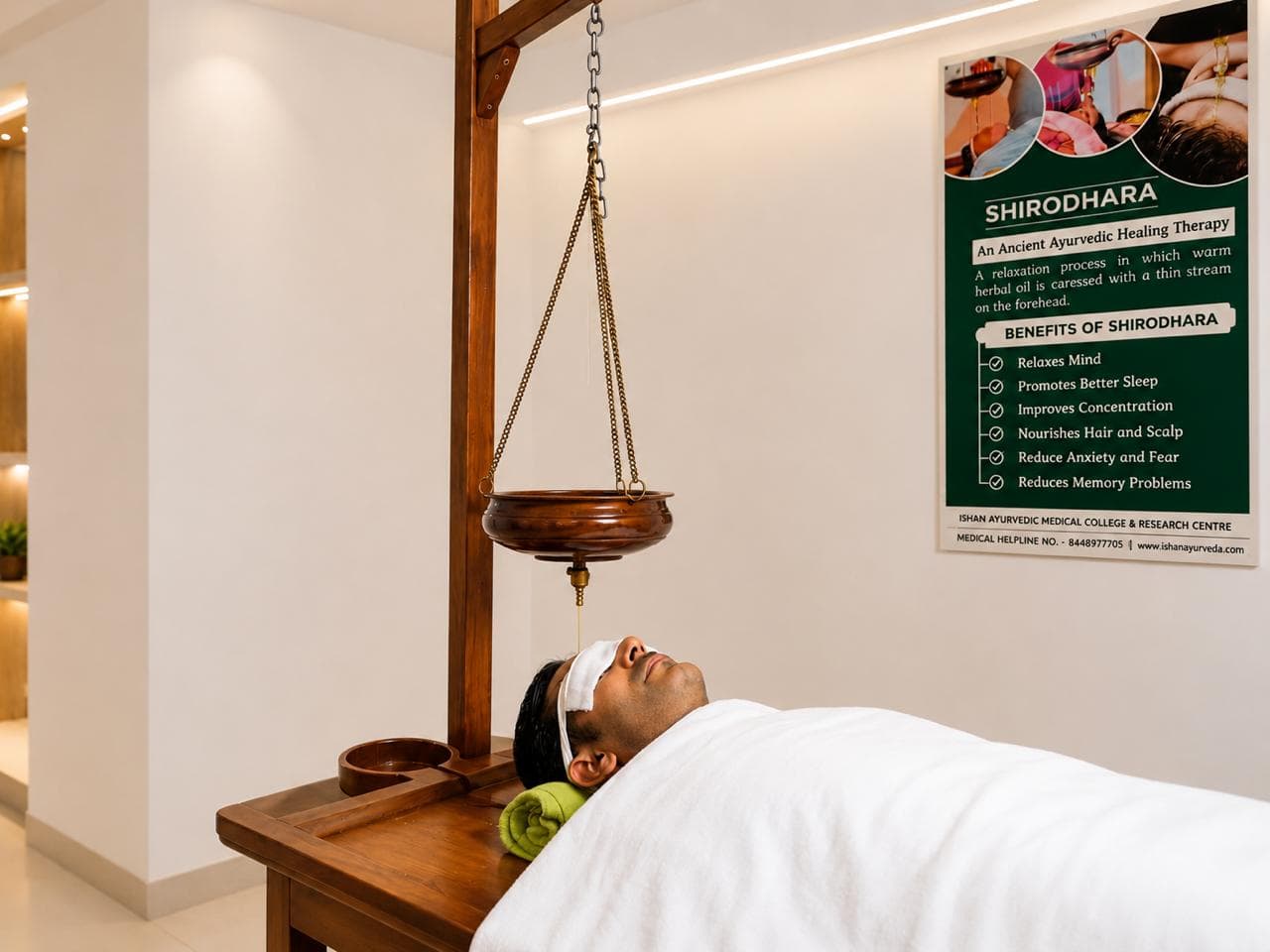
Shirodhara therapy with a continuous stream of warm medicated oil on the forehead.
WE UNDERSTAND
Satva, Atma and Sharira — mind, soul and body — are the three pillars of life. Disease arises when even one becomes imbalanced. True healing restores all three simultaneously.
Charaka Samhita, Sutra Sthana 1.46
ABOUT US

A hospital that treats the mind and the nerves as one.

Modern psychiatry and neurology treat the mind and nervous system in isolation — SSRIs for depression, benzodiazepines for anxiety, sleeping pills for insomnia, physiotherapy alone for paralysis. Ayurveda recognises that the mind, nervous system, gut and endocrine system are one interconnected field governed by Prana Vata, Tarpaka Kapha and Sadhaka Pitta. At Ishan, our Manovaha Srotas protocols integrate Nasya, Shirodhara, Shiro Basti, Abhyanga, Basti karma and classical Medhya Rasayana — treating both the acute distress and the deep-seated imbalance beneath it.

  • 8+CONDITIONS TREATED
  • Nasya& Shirodhara on campus
  • ZeroDEPENDENCY RISK
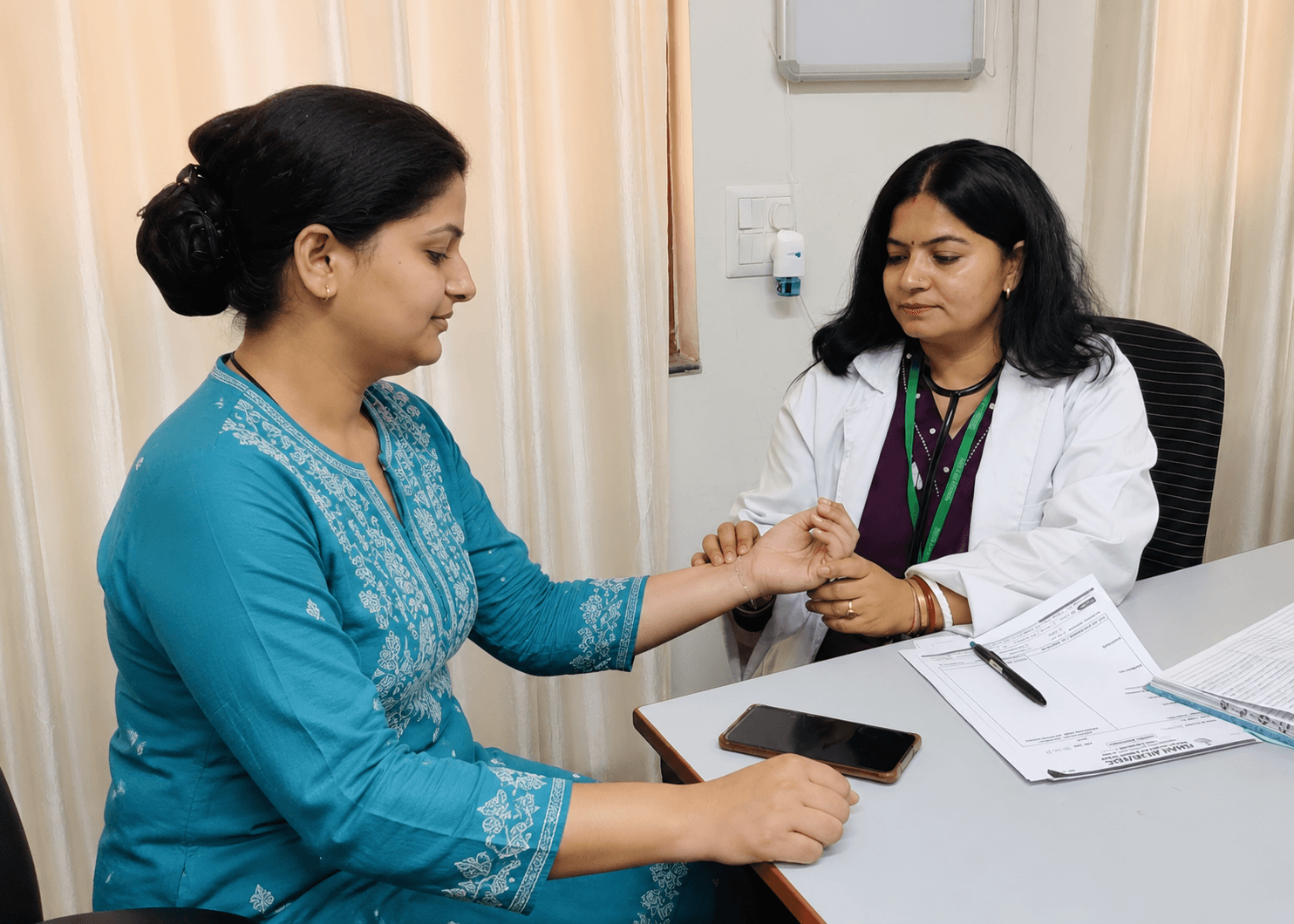
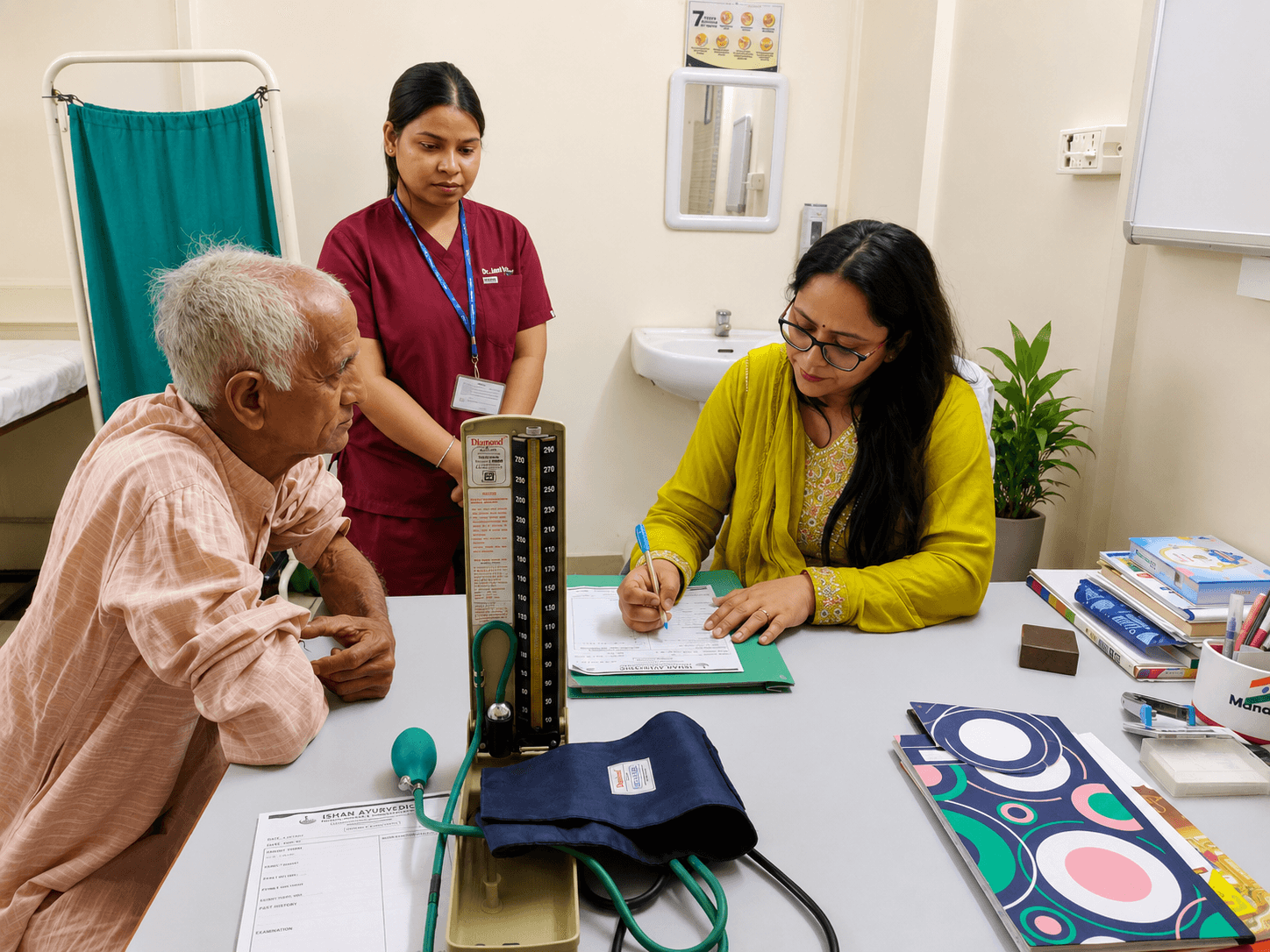
Ayurvedic mind and neurological consultation at Ishan Ayurvedic Hospital.

The Ayurvedic mind-body spectrum

How the mind and body speak the same language of Doshas

  • Prana Vata

    The sub-dosha governing inhalation, sensory perception, and mental cognition. Its imbalance is the primary root of anxiety, panic attacks, insomnia, and neurodegenerative diseases.

  • Sadhaka Pitta

    Governs intelligence, emotional processing, and willpower, seated in the heart. Excess causes anger, frustration, perfectionism-driven burnout, and inflammatory depression.

  • Tarpaka Kapha

    Nourishes and protects the brain and sense organs with cerebral fluid. Its depletion leads to grief, emotional numbness, melancholy, forgetfulness, and slow neurological recovery after stroke.

  • Ojas

    The vital essence — the immune-neuro-endocrine substrate of all resilience. Chronic stress depletes Ojas first, manifesting as burnout, immune collapse, and emotional fragility before any clinical diagnosis is made.

  • Manas Prakriti

    Mental constitution — Sattvic (clarity), Rajasic (activity), or Tamasic (inertia). Understanding a patient's mental Prakriti determines the psychological approach, herb selection, and counselling style.

  • Majja Dhatu

    The nervous tissue — bone marrow and neural substance. Nourishment of Majja Dhatu through Basti karma and Ashwagandha Rasayana is the cornerstone of paralysis rehabilitation and neuropathy treatment.

  • Hridaya (Heart)

    The seat of consciousness and emotion in Ayurveda. Sadhaka Pitta resides here. Shirodhara and Hridaya Basti directly calm the autonomic nervous system through the heart-brain axis.

  • Gut-Brain Axis

    Ayurveda recognised the gut-mind connection 2,000 years before neuroscience coined the term. Correcting Agni and the gut microbiome through Basti karma is often the single most transformative intervention for chronic anxiety and depression.

CONDITIONS WE HEAL

Mind & neuro conditions we care for

From acute anxiety to post-stroke paralysis rehabilitation, our specialists design holistic Ayurvedic protocols addressing both the neurological and psychological dimensions of each condition.

  • Anxiety & Panic Disorders (Chittodvega)

    Generalised anxiety, panic attacks, social anxiety and phobias — all reflect vitiated Prana Vata disturbing the Manovaha Srotas. The racing mind, shallow breathing, palpitations and catastrophic thinking are classic signs of Vata overwhelming Satva. Ayurveda calms the nervous system without creating dependency.

    Excessive worryPanic attacksRacing heartRestlessness & tremors
  • Depression (Vishada / Avasada)

    Clinical depression, persistent depressive disorder and postpartum depression — classified as Vishada or Unmada. Reflects depletion of Ojas and Tarpaka Kapha with a heavy Tamasic quality of mind. Treatment works on the gut-brain axis, the hormonal axis and sleep architecture simultaneously.

    Persistent low moodLoss of interestFatigue & heavinessSocial withdrawal
  • Insomnia & Sleep Disorders (Anidra)

    Difficulty falling asleep, staying asleep, early morning waking, or non-restorative sleep. Ayurvedic treatment corrects the Vata excess driving hyperarousal, restores melatonin rhythm, and addresses the gut dysbiosis that is the underrecognised cause of chronic insomnia.

    Difficulty falling asleepWaking at 2–4 AMNon-restorative sleepDaytime fatigue
  • Paralysis & Stroke Rehab (Pakshaghata)

    Hemiplegia, hemiparesis and facial palsy after ischaemic or haemorrhagic stroke — a severe Vata disorder involving Majja and Mamsa Dhatu depletion. Abhyanga, Swedana, Basti and Nasya promote neuroplasticity, improve nerve conduction and restore muscle function beyond what physiotherapy alone achieves.

    Limb weakness / paralysisFacial droopingSpeech difficultyPost-stroke fatigue
  • Migraine & Chronic Headache (Ardhavabhedaka)

    Recurrent throbbing one-sided headache with nausea, photophobia and aura — rooted in Pitta-Vata disturbance of the cranial vessels. Nasya karma, Shirodhara and Virechana give lasting reduction in frequency and severity.

    Throbbing one-sided painNausea & vomitingVisual auraLight & sound sensitivity
  • Neuropathy & Nerve Pain (Vatavyadhi)

    Peripheral neuropathy from diabetes, chemotherapy or idiopathic causes — burning, tingling and numbness in hands and feet. Nourishment of Majja Dhatu through oil Basti, Ksheera Basti and Rasayana therapy restores nerve conduction and reduces neuropathic pain.

    Burning or tingling feetNumbness in hands/feetElectric shock sensationWeakness in limbs
  • OCD, Burnout & Stress (Manasika Roga)

    Obsessive-compulsive patterns, chronic work stress and burnout syndrome — driven by Rajasic excess and Ojas depletion. Treatment restores the Satva-Rajas-Tamas balance of the mind alongside adrenal and HPA axis recovery.

    Inability to switch offCompulsive thoughtsChronic exhaustionEmotional numbness
  • Epilepsy & Seizure Disorders (Apasmara)

    Recurrent seizures reflect disturbed Prana Vata and vitiated Tarpaka Kapha in the brain channels. As an adjunct to anti-epileptic medication, Ayurveda reduces seizure frequency, improves quality of life between episodes, and eases medication side effects such as cognitive dulling.

    Recurrent seizuresPost-ictal fatigueMemory impairmentMedication side effects
  • Memory Loss & Cognitive Decline (Smriti Bhransha)

    Age-related memory loss, early dementia, post-viral brain fog and attention difficulties — Majja Dhatu depletion with Prana Vata disturbance. Medhya Rasayana therapy (Brahmi, Shankhapushpi, Mandukaparni, Yashtimadhu) is Ayurveda's unique neuroprotective pharmacological class.

    ForgetfulnessDifficulty concentratingBrain fogWord-finding difficulty
OUR APPROACH

How Ayurveda treats mind & neuro conditions

The Ayurvedic nervous system is the Vata system — Prana Vata (perception and cognition), Udana Vata (speech and enthusiasm) and Vyana Vata (motor function and circulation). Chronic stress, irregular sleep, over-stimulation, poor diet or grief aggravate Vata, disturb the Manovaha Srotas, deplete Ojas, and destabilise Tarpaka Kapha's nourishment of the brain. Treatment is always complementary — we work alongside your psychiatrist or neurologist, never in place of necessary medication.

  1. 1

    Manas Prakriti & Neurological Assessment

    Comprehensive evaluation of mental constitution (Satva-Rajas-Tamas), Prana Vata status, sleep architecture, diet, stress history and current medication. For paralysis patients: motor function, spasticity grading, sensory mapping and review of MRI/CT imaging, alongside Nadi Pariksha.

  2. 2

    Snehana — Internal & External Oleation

    The first phase of all neurological Panchakarma — medicated ghee (Brahmi Ghrita, Kalyanaka Ghrita, Ashwagandha Ghrita) internally for 3–7 days, lubricating neural tissue and mobilising deep-seated Vata. Daily external Abhyanga with Mahanarayana or Dhanwantaram Taila follows.

  3. 3

    Panchakarma — Shirodhara, Nasya, Basti

    Shirodhara modulates the hypothalamic-pituitary axis — the most powerful non-pharmacological intervention for anxiety, insomnia and depression. Nasya delivers medicine directly to the cranial nerves and limbic system. Basti karma corrects the gut-brain axis, and Ksheera Basti nourishes Majja Dhatu in paralysis.

  4. 4

    Medhya Rasayana

    Ayurveda's brain-nourishing herbs — Brahmi (memory consolidation, anxiety reduction), Shankhapushpi (serotonin modulation), Mandukaparni (nerve regeneration), Jatamansi (natural anxiolytic) and Ashwagandha (cortisol reduction, neuroplasticity) — prescribed as personalised formulations based on your Dosha-Dhatu picture.

  5. 5

    Satvavajaya Chikitsa — Mind Training

    Ayurveda's equivalent of psychotherapy — cognitive reframing, Pranayama for Prana Vata, Yoga Nidra for insomnia and trauma, and Dharana-Dhyana practice. In Ayurveda these are not adjuncts; mental practice carries the same therapeutic weight as herbal treatment in Manas Roga.

Therapist performing Shirodhara in a quiet, dimly lit treatment room.
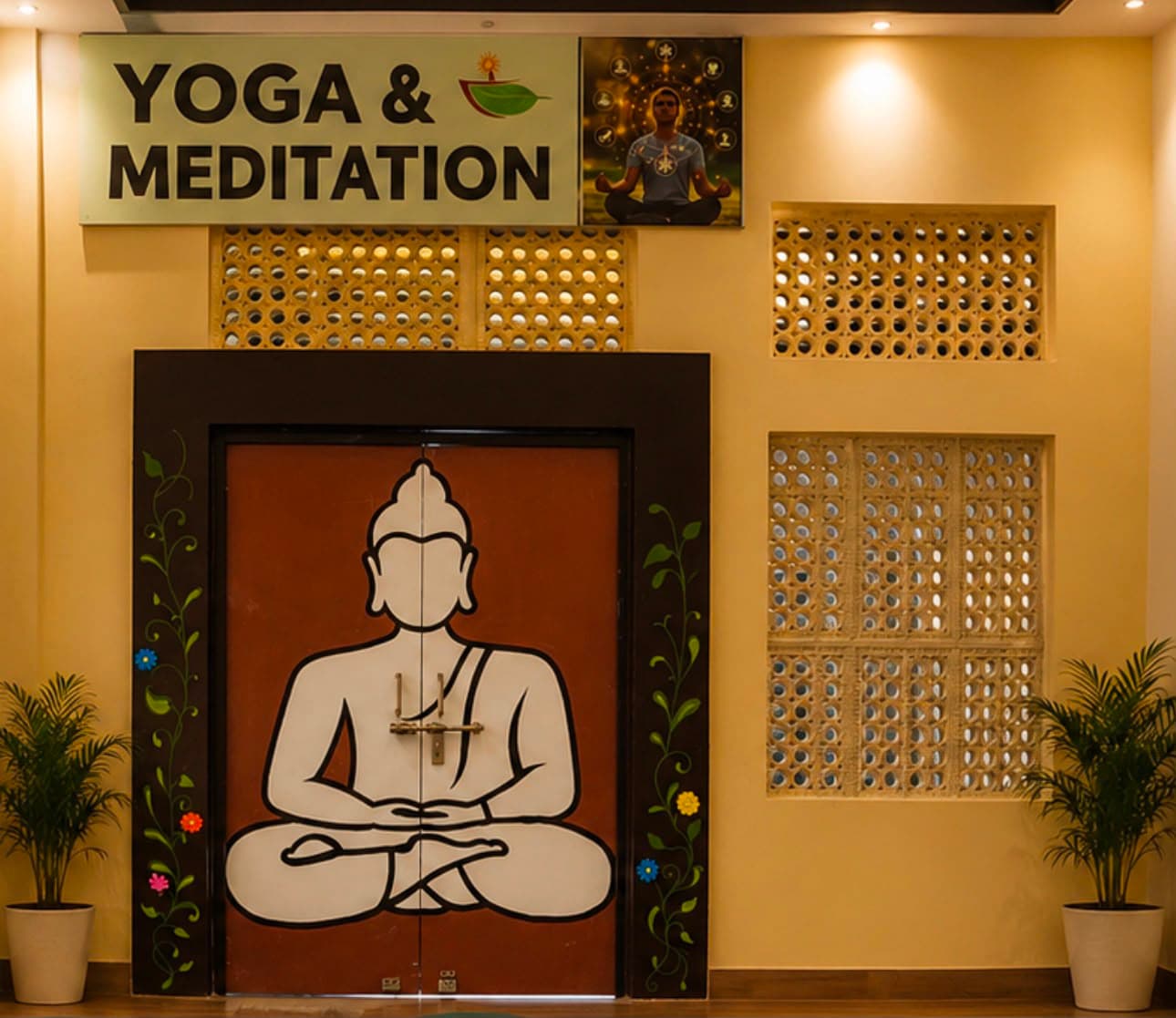
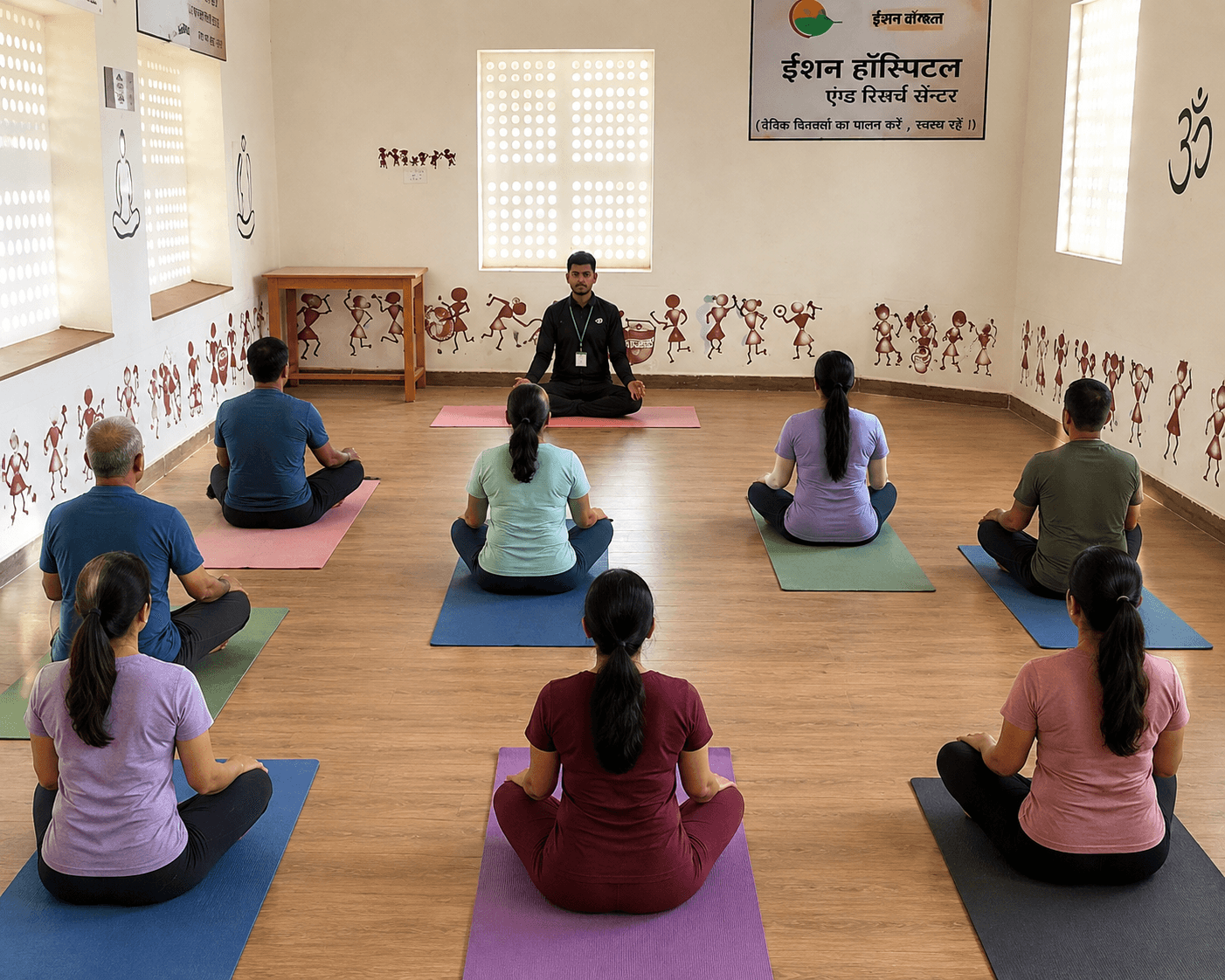
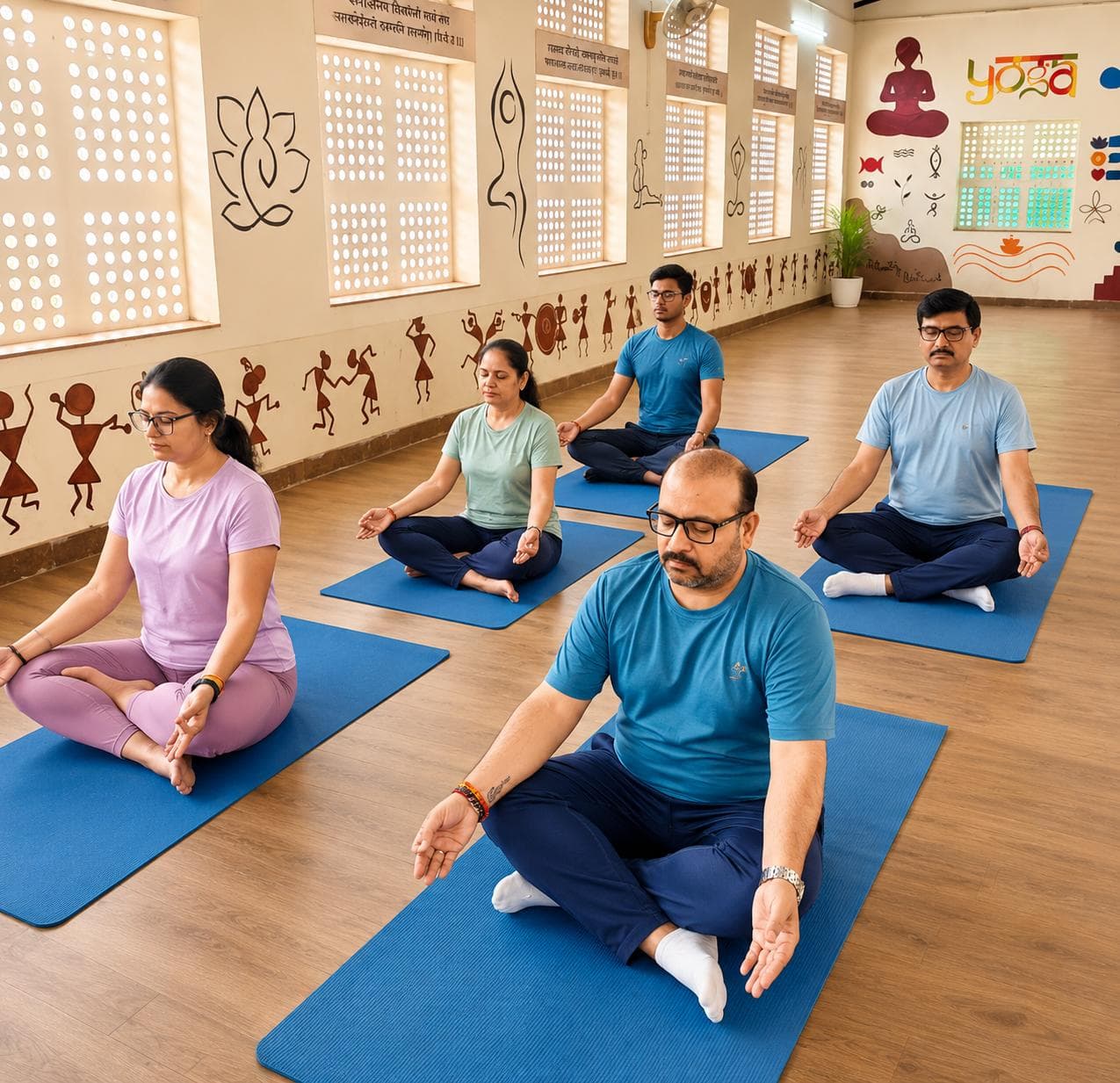
Group meditation and yoga session used in stress and anxiety protocols.
Shirodhara therapy room used for anxiety and insomnia treatment courses.

Ayurvedic root causes

Mind and neurological disorders arise from specific Dosha-Dhatu-Manas imbalances. Each condition has a distinct root — treatment is never one-size-fits-all.

  • Prana Vata Imbalance

    The primary driver of anxiety, panic, insomnia, tremors, neuropathy and paralysis. Governs all sensory and motor nerve function. Aggravated by chronic stress, cold food, irregular schedules, grief and excessive screen stimulation.

  • Sadhaka Pitta Excess

    Anger, perfectionism, inflammatory depression, OCD and burnout. The driven, high-achieving mind that cannot switch off. Excess heat in the heart and liver disturbs emotional processing and sleep onset.

  • Tarpaka Kapha Depletion

    Grief-based depression, cognitive decline, emotional numbness, excessive sleep and slow post-stroke recovery. The brain loses its nourishing fluid — rebuilt through Snehana and Ksheera Basti.

  • Ojas Kshaya (Vital Depletion)

    The deepest root of chronic psychological disorders — depletion of neuro-immune vitality. Manifests as burnout, chronic fatigue, immune collapse and emotional fragility. Rebuilt only with Rasayana, rest and sustained Dinacharya.

Treatments we use for mind & neuro conditions

Our specialists combine classical Panchakarma procedures with Medhya Rasayana and Satvavajaya Chikitsa — each protocol personalised to the condition, its depth, and your Prakriti.

Shirodhara therapy with a continuous stream of warm oil on the forehead.

Shirodhara

शिरोधाराContinuous oil stream on forehead

Warm medicated oil poured in an unbroken stream over the forehead for 30–45 minutes — the most powerful non-pharmacological intervention for the autonomic nervous system. Reduces cortisol, supports serotonin, and modulates the hypothalamic-pituitary-adrenal axis. Works within 3–5 sessions for acute anxiety and insomnia, with sustained benefit over a full 14-day course.

Best for:
AnxietyInsomniaDepressionMigraine
Shiro Basti procedure with medicated oil retained on the head.

Shiro Basti

शिरो बस्तिMedicated oil retention on the head

Warm medicated oil (Ksheerabala Taila, Brahmi Taila) retained within a fitted cap on the head for 30–45 minutes — the deepest cranial oleation therapy. Indicated for severe anxiety, OCD, post-traumatic stress, and early cognitive decline, where Shirodhara alone is insufficient.

Best for:
Severe anxietyOCDCognitive decline
Nasya karma being administered with medicated nasal drops.

Nasya Karma

नस्य कर्मMedicated nasal administration

Medicated oils or herbal preparations instilled through the nostrils — the direct route to the brain via the olfactory bulb and cranial nerves. Pratimarsha Nasya with Anu Taila is one of the most valuable daily practices for sustained mental clarity; clinical-dose Marsha Nasya is used for paralysis, facial palsy, and migraine.

Best for:
ParalysisMigraineFacial palsyMemory
Medicated oils prepared for Basti karma therapy.

Basti Karma

बस्ति कर्मMedicated enema

Counterintuitive but clinically transformative — medicated enemas are among the most powerful treatments for neurological and psychiatric conditions, because the gut produces the majority of the body's serotonin. Anuvasana Basti with Dashamoola Taila pacifies Vata in the colon; Ksheera Basti nourishes Majja Dhatu in paralysis and neuropathy.

Best for:
AnxietyDepressionParalysisNeuropathy
Therapist performing a warm medicated oil full-body massage.

Abhyanga & Swedana

अभ्यङ्ग स्वेदनFull body oil massage with medicated steam

Daily full-body massage with Mahanarayana or Dhanwantaram Taila followed by medicated steam — the foundational neuro-rehabilitation procedure. Improves peripheral nerve conduction, reduces spasticity, prevents muscle atrophy, and stimulates proprioception. For stroke patients, bilateral Abhyanga supports cross-cortical neuroplasticity.

Best for:
Paralysis rehabNeuropathySpasticity
Pizhichil therapy with continuous warm oil poured over the body.

Pizhichil (Sarvanga Dhara)

पिझिचिलContinuous warm oil bath

Warm medicated oil poured continuously over the whole body by two therapists in a coordinated rhythm for 45–60 minutes — the most intensive external Vata-pacifying procedure, classically called the treatment of kings. Penetrates deeply into muscle and neural tissue and markedly reduces spasticity in paralysis patients.

Best for:
HemiplegiaSpasticitySevere Vata
Virechana Panchakarma preparation at Ishan Ayurvedic Hospital.

Virechana

विरेचनTherapeutic purgation

Indicated for Pitta-dominant psychiatric presentations — anger-based depression, inflammatory mood disorders, OCD, and burnout with heat symptoms. Virechana clears excess Pitta from the liver and small intestine, reducing neuroinflammatory load and supporting hepatic processing of mood-regulating neurotransmitter precursors.

Best for:
Anger & irritabilityOCDBurnoutMigraine
Talam medicated herbal paste applied to the crown of the head.

Talam & Talapodichil

तलम्Medicated scalp application

A thick medicated paste of Brahmi, Bhringaraj, Amalaki, Jatamansi and sandalwood in a Ghrita base, held on the crown of the head for 30 minutes. Intensely cooling to Prana Vata — it reduces scalp heat, calms racing thoughts and promotes deep sleep, often producing visible calm within a single session.

Best for:
InsomniaAnxiety flaresIrritability
Classical Medhya Rasayana herbal formulations prepared in-house.

Medhya Rasayana

मेध्य रसायनNootropic & neuroprotective herbs

Ayurveda's unique pharmacological class for the brain — Brahmi (memory consolidation and anxiety reduction in controlled trials), Shankhapushpi (serotonin modulation), Mandukaparni (nerve regeneration), Jatamansi (natural anxiolytic), Ashwagandha (cortisol reduction), Vacha and Yashtimadhu. Formulated individually for each patient.

Best for:
All conditionsMemoryNeuroprotection

Our Mind & Neuro treatment wing

Dedicated Shirodhara rooms, a Nasya facility, and a full Panchakarma wing — private, quiet and unhurried. The environment itself is part of the treatment for a nervous system that needs to settle.

Shirodhara treatment room with a calm, soundproofed environment.
Abhyanga and Pizhichil room prepared with warm medicated oils.
Nasya karma procedure being performed by a specialist.
Paralysis rehabilitation session in the Panchakarma wing.
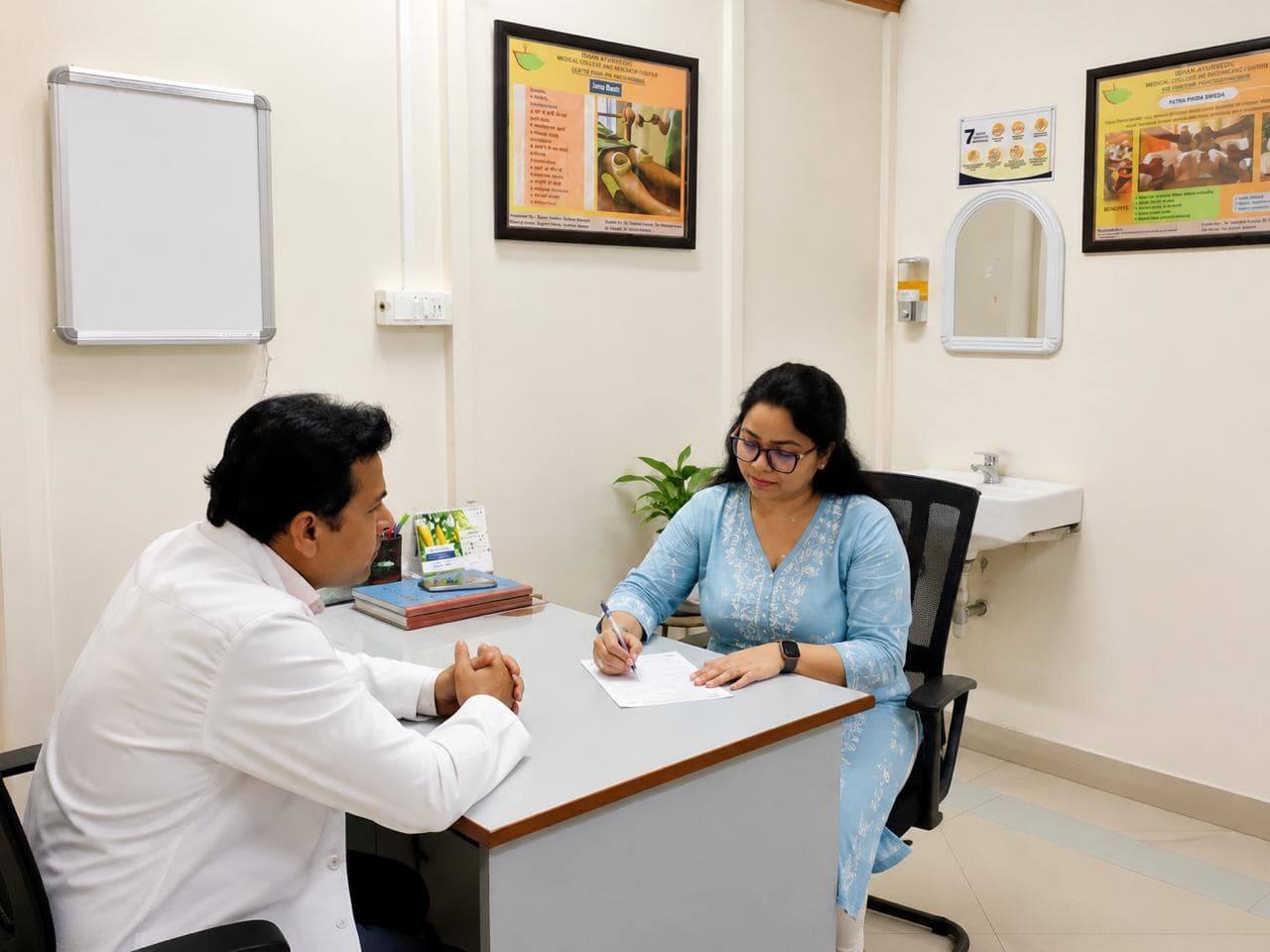
Mind and neuro OPD consultation room at Ishan Ayurvedic Hospital.
Your treatment journey

What to expect at Ishan

  1. 1

    Detailed Assessment

    45–60 min consultation. Manas Prakriti evaluation, sleep diary, stress history, medication review, Nadi Pariksha. For neuro cases: motor/sensory assessment, imaging review, spasticity grading.

    Day 1
  2. 2

    Acute Relief Phase

    Shirodhara, Talam, Nasya, and internal medicines begin. Most patients experience noticeable improvement in sleep and anxiety within 5–7 sessions. Paralysis patients begin Abhyanga and Swedana from Day 1.

    Week 1-2
  3. 3

    Deep Treatment Course

    Full Panchakarma course — Basti karma, Virechana (where indicated), Shiro Basti, Pizhichil. Duration: 14–28 days IPD for complex neuro cases; 4–8 weeks OPD for psychiatric conditions. Medhya Rasayana prescribed throughout.

    4-12 weeks
  4. 4

    Maintenance & Monitoring

    Monthly follow-up. Home Nasya, Pranayama, and Yoga Nidra protocol. Medhya Rasayana continued for 6–12 months. Medication taper (with psychiatrist) where appropriate. Seasonal Panchakarma as preventive maintenance.

    Ongoing
9Mind & neuro conditions treated
ZeroDependency risk · no habit-forming medicines
15+Years of specialist neuro-psychiatric care
NABHAccredited hospital · AYUSH approved

Real lives. Real healing. Real freedom.

Insomnia — 6 weeks treatment
I had been on sleeping tablets for 4 years. My sleep was still terrible and I could not come off them without rebound insomnia. After 14 sessions of Shirodhara and 6 weeks of herbal medicines at Ishan, I slept through the night for the first time in years. I am now off all sleeping medication under my psychiatrist's supervision.
AK
Amit KumarAge 46 · Noida
Hemiplegia — 3 months Panchakarma
My father had a stroke and his left side was completely paralysed. After 3 months of Abhyanga, Basti and Nasya at Ishan — alongside his physiotherapy — he can walk with a stick, feed himself and speak clearly. His neurologist was surprised by the recovery speed. We are continuing treatment.
SV
Suresh Verma (son)Father, age 68 · Greater Noida

Book Your Appointment

Ready to start your healing journey?
Schedule your appointment today,

🇮🇳 +91

Email  - [email protected]

Doctors who treat mind & neuro conditions

Our Manovaha Srotas specialists combine Ayurvedic neurological and psychiatric expertise with a clear understanding of when conventional care must lead — and when Ayurveda can take over.

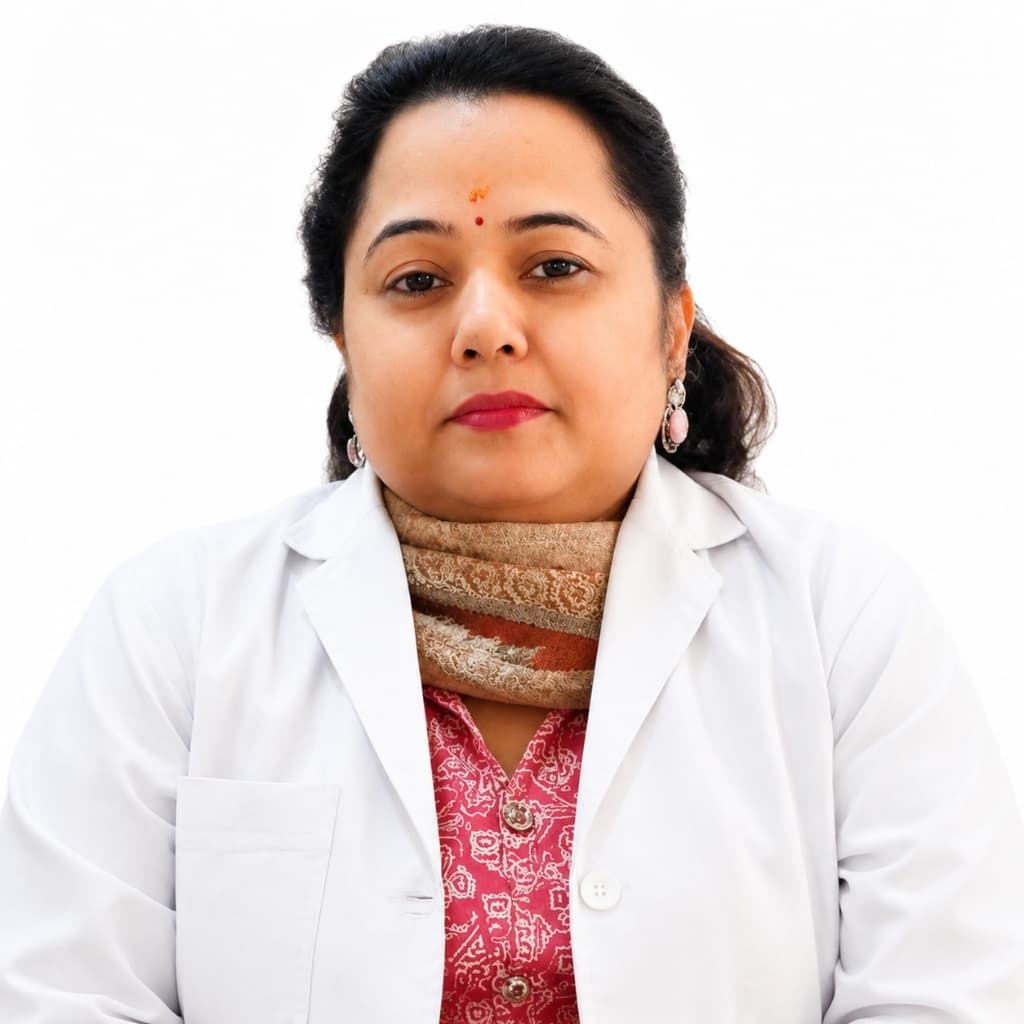
Dr. Rinku

Dr. Rinku

Medical Consultant - Toxicology (Agadtantra)

BAMS, MD (Ayu.)

Skin Disorders • Infertility Care • Ayurvedic Toxicology (Agadtantra)

22 years experience

Mon-Sat | 9:00 AM - 4:00 PM

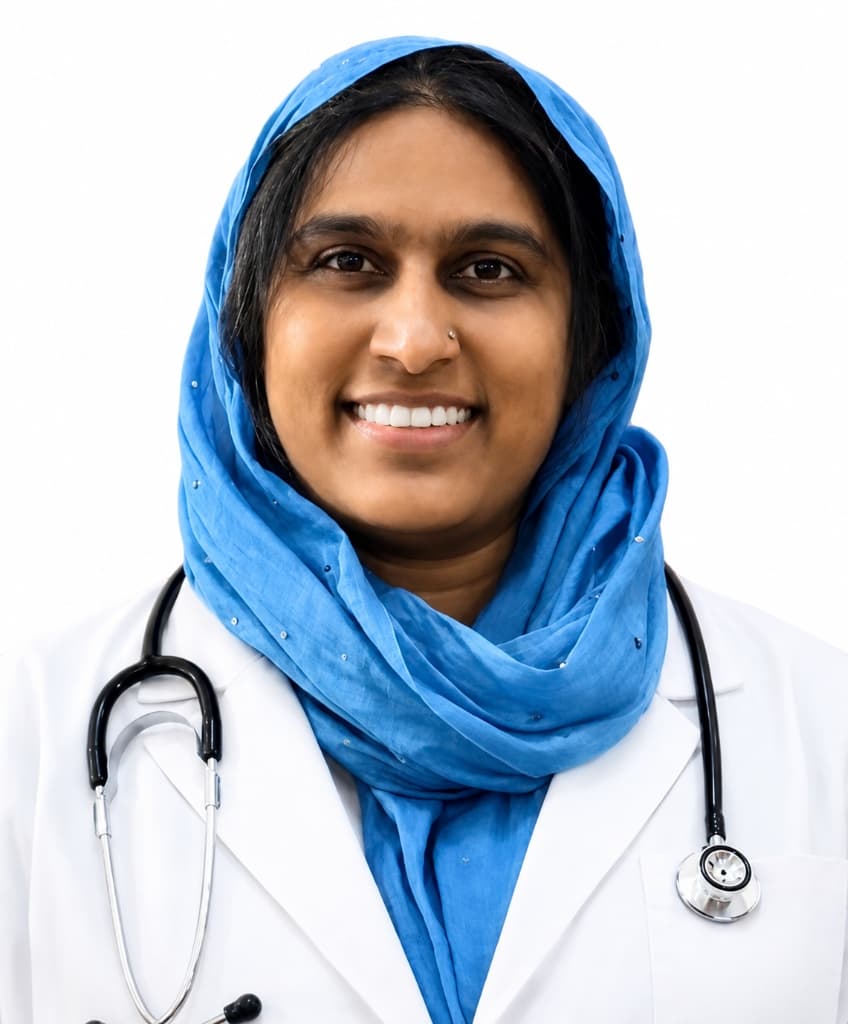
Dr. Afsha Parveen

Dr. Afsha Parveen

Medical Consultant - Toxicology (Agadtantra)

BAMS, MD (Ayu.)

Skin Disorders • Infertility Care • Ayurvedic Toxicology (Agadtantra)

8 years experience

Mon-Sat | 9:00 AM - 4:00 PM

Seek immediate care — do not delay for these signs

These symptoms require urgent evaluation. Please contact us or go to an emergency facility immediately.

  • Sudden one-sided weakness or numbness
  • Sudden speech difficulty
  • Thoughts of self-harm or suicide
  • Sudden severe headache ("worst of life")
  • First seizure or prolonged seizure
  • Sudden vision loss or double vision
Call 8448797705

Frequently Asked Questions

  • Yes — and this is the most common scenario we see. We never advise stopping psychiatric medication abruptly. Ayurvedic treatment works alongside your existing medication, supporting the nervous system and improving quality of life while the medication does its stabilising work. Over 3–6 months, as the Ayurvedic treatment takes effect, a gradual taper is planned collaboratively with your prescribing psychiatrist — never without their involvement. Most patients find they can maintain the same level of functioning on lower doses once the Ayurvedic support is in place.

  • Most patients feel a notable calming effect within the first session — the warm oil stream on the forehead stimulates the parasympathetic nervous system almost immediately. Measurable improvement in sleep onset and anxiety levels is typically seen within 5–7 sessions. A full course of 14 consecutive sessions produces sustained changes in HPA axis regulation, cortisol rhythm and sleep architecture that persist for weeks to months after the course ends.

  • Yes — and early initiation is critical. The window of neuroplasticity is widest in the first 3–6 months after a stroke. Ayurvedic rehabilitation can begin as early as 2 weeks post-stroke, once the patient is medically stable. Daily Abhyanga, Nasya, Basti karma and Pizhichil stimulate motor cortex reorganisation, improve cerebral blood flow, reduce neuroinflammation and prevent muscle atrophy more comprehensively than physiotherapy alone. Patients who start within 3 months typically achieve the most complete functional recovery; those who start after a year still benefit, but progress is slower.

  • No. Herbs such as Jatamansi, Brahmi, Ashwagandha and Shankhapushpi modulate GABA, serotonin and cortisol pathways through complex multi-target phytochemistry rather than single-receptor mechanisms. They do not cause receptor downregulation or physical dependency, and can be tapered and stopped without withdrawal effects. In peer-reviewed studies, Ashwagandha reduced anxiety scores comparably to lorazepam without the dependency, cognitive dulling or rebound associated with benzodiazepines.

  • SSRIs and SNRIs act on a single neurotransmitter axis. Ayurvedic treatment for depression works simultaneously on five systems: the gut-brain axis via Basti karma, the HPA cortisol axis via Ashwagandha and Shirodhara, sleep architecture via Talam and Anidra medicines, inflammatory pathways via Virechana and anti-inflammatory herbs, and neurogenesis via BDNF-supporting herbs such as Mandukaparni. This multi-system approach explains why Ayurveda often helps where antidepressants alone have not — particularly with the fatigue, cognitive dulling and emotional numbness that frequently persist on medication.

  • Yes. Ishan Ayurvedic Hospital is CGHS empanelled, and neurological conditions — including post-stroke rehabilitation Panchakarma, paralysis IPD stays and migraine Shirodhara courses — are covered under CGHS for government employees and pensioners. Many health insurance policies also cover Ayurvedic IPD stays under their Ayush benefit clause, and we are empanelled with 40+ insurers. OPD consultations and investigations may be covered under OPD benefit policies. Our insurance desk verifies your exact coverage before any treatment — at no charge.